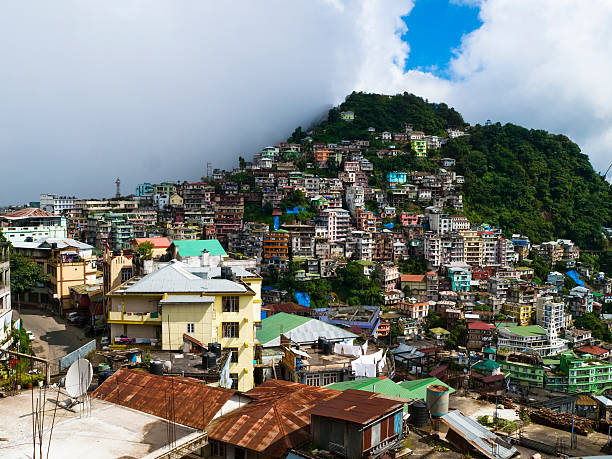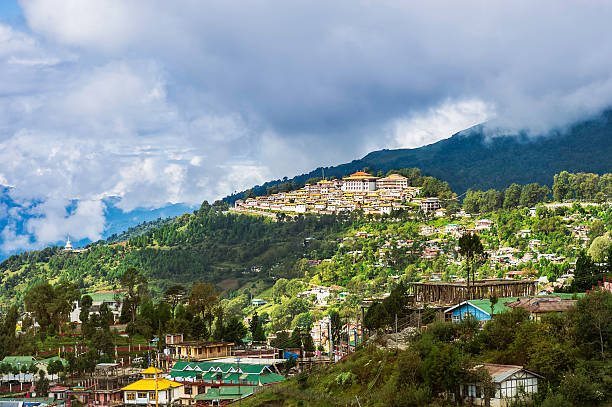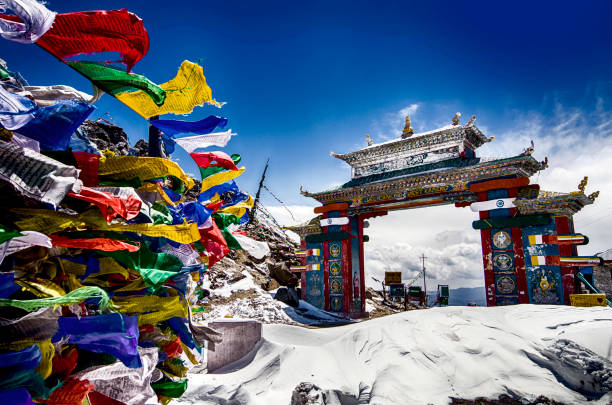
India’s Northeast is one of the country’s most captivating yet least explored regions. Nestled between international borders and lush mountain ranges, the Seven Sisters of India represent a world of vibrant cultures, breathtaking landscapes, and ancient traditions. For travelers, researchers, and culture enthusiasts alike, understanding this region goes far beyond knowing names—it’s about discovering stories, geography, seasons, and lived experiences.
This complete guide to Northeast India covers everything you need to know about the Seven Sisters of India, including their capitals, best time to visit, cultural significance, maps, and why Sikkim is called the brother of the Seven Sisters. Whether you’re planning a trip or simply expanding your knowledge, this guide is designed to give you comprehensive, meaningful insight—without unnecessary fluff.
Checkout Northeast tour package
Understanding the Seven Sisters of India
The term Seven Sisters of India refers to a group of seven neighboring states located in Northeast India. These states are geographically connected and culturally intertwined, sharing similar histories, ethnic roots, and ecological features.
The Seven Sister States of India with Capital
| State | Capital |
|---|---|
| Arunachal Pradesh | Itanagar |
| Assam | Dispur |
| Manipur | Imphal |
| Meghalaya | Shillong |
| Mizoram | Aizawl |
| Nagaland | Kohima |
| Tripura | Agartala |
When viewed on a Seven Sisters in India map, these states appear tightly clustered, connected to mainland India through the narrow Siliguri Corridor (often called the “Chicken’s Neck”). This unique geography has played a major role in shaping the region’s identity.
Why Northeast India Is So Unique
The Northeast states of India are unlike any other part of the country. While much of India is densely populated and urbanized, Northeast India remains deeply rooted in nature and tradition.
What sets the region apart:
-
Over 200 indigenous tribes, each with distinct customs
-
Dozens of spoken languages and dialects
-
Landscapes ranging from snow-capped peaks to rainforests
-
A slower, community-oriented way of life
This diversity makes Northeast India one of the most culturally rich regions in South Asia.
Why Sikkim Is Called the Brother of the Seven Sisters
A common question in any complete guide to Northeast India is:
Why is Sikkim called the brother of the Seven Sisters?
Although Sikkim is not officially one of the Seven Sisters, it shares deep similarities with the region:
-
Himalayan geography
-
Strong Buddhist and tribal influences
-
Similar climate and eco-tourism focus
-
Close cultural and economic ties
Because of this, Sikkim earned the title of the “brother state”, and together the region is popularly referred to as the 7 sisters and 1 brother of India or the 8 Sister states of India. Today, Sikkim Seven Sisters travel circuits are widely promoted as a single cultural and travel region.
Best Time to Visit the Seven Sisters of India
Choosing the right season is crucial for fully experiencing Northeast India. Weather conditions vary significantly due to the region’s mountainous terrain.
October to April – Best Time to Visit Northeast India
This is widely considered the best time to visit the Seven Sisters of India.
Why this season is ideal:
-
Pleasant temperatures (10°C–25°C)
-
Clear skies and excellent visibility
-
Ideal for sightseeing, trekking, and festivals
-
Best season for photography and capturing stunning images of Seven Sisters of India
Major cultural events like the Hornbill Festival (Nagaland) and Wangala Festival (Meghalaya) take place during this period, offering travelers deep cultural immersion.
March to May – Spring Season
Spring is particularly beautiful in states like Arunachal Pradesh and Sikkim.
-
Flowers in full bloom
-
Comfortable weather for travel
-
Fewer crowds than winter
This is a great time for nature lovers and couples seeking peaceful travel experiences.
June to September – Monsoon (Off-Season)
Monsoon brings heavy rainfall across most of Northeast India.
-
Landslides in hilly regions
-
Travel delays and limited accessibility
While the landscapes turn lush and green, this season is best avoided for first-time visitors.
State-by-State Highlights of the Seven Sisters
Arunachal Pradesh
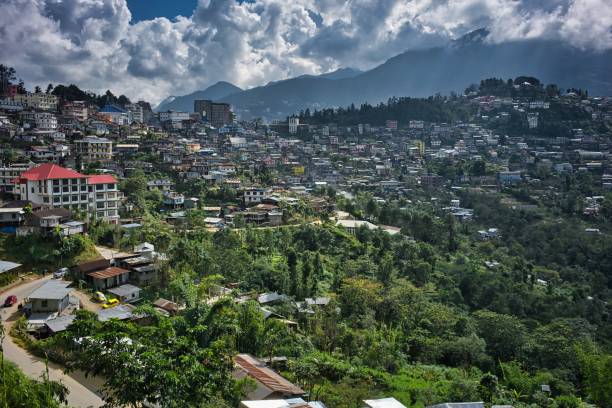
Known for dramatic Himalayan scenery, ancient monasteries, and remote tribal villages. It is one of India’s most untouched destinations.
Assam
The cultural and economic gateway of Northeast India. Famous for tea gardens, the Brahmaputra River, and Kaziranga National Park.
Meghalaya
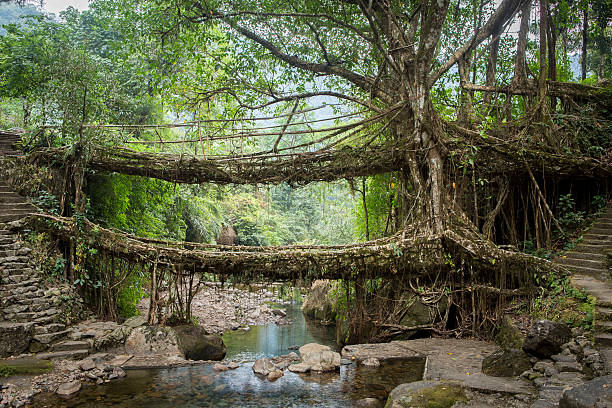
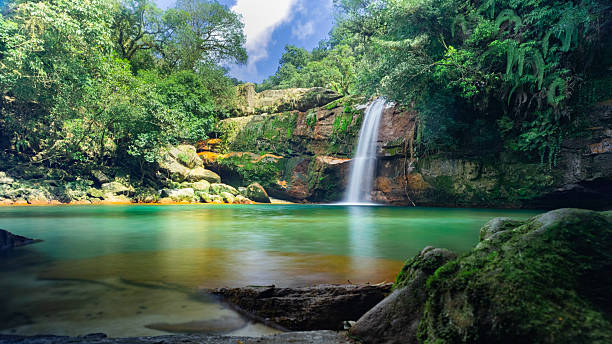
Often called the “abode of clouds,” Meghalaya is known for waterfalls, caves, and living root bridges.
Nagaland
Renowned for vibrant tribal culture and the iconic Hornbill Festival. A must-visit for cultural explorers.
Manipur
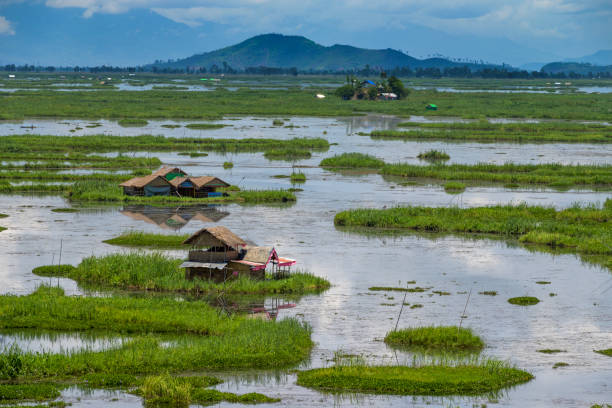
Home to Loktak Lake and classical dance traditions. Manipur blends natural beauty with artistic heritage.
Mizoram
Rolling hills, bamboo forests, and a peaceful lifestyle define Mizoram. It’s one of India’s most serene states.
Tripura
A mix of royal history, temples, and scenic landscapes, offering a quieter travel experience.
Cultural Importance of the Seven Sisters
The Seven Sisters are not just geographic entities—they are cultural guardians. Traditional clothing, indigenous music, folk dances, and local cuisines remain deeply rooted in daily life. Festivals are community-centered, and hospitality is genuine.
For travelers seeking authentic experiences rather than commercial tourism, Northeast India offers rare depth.
Travel Tips for Exploring the Seven Sisters of India
-
Some regions require Inner Line Permits (ILP)
-
Plan extra buffer days due to terrain
-
Respect local customs and traditions
-
Hire local guides for better cultural understanding
-
Study the Seven Sisters in India map before planning routes
Who Should Visit the Seven Sisters of India?
This region is ideal for:
-
Nature lovers seeking pristine landscapes
-
Cultural travelers interested in tribal heritage
-
Families looking for educational travel experiences
-
Couples wanting peaceful, offbeat destinations
-
Adventure seekers interested in trekking and exploration
FAQs: Seven Sisters of India
What are the Seven Sisters of India?
They are seven northeastern states of India: Arunachal Pradesh, Assam, Manipur, Meghalaya, Mizoram, Nagaland, and Tripura.
Which state is called the brother of Seven Sisters?
Sikkim is called the brother of the Seven Sisters due to cultural and geographical similarities.
How many states are there in the 8 Sister states of India?
There are eight states when Sikkim is included with the Seven Sisters.
What is the best time to visit Northeast India?
October to April is the best time due to pleasant weather and festivals.
Is Northeast India safe for tourists?
Yes, it is generally safe, especially when traveling responsibly and with proper planning.
Conclusion
The Seven Sisters of India, along with their brother Sikkim, form one of the most diverse and enriching regions in the country. This complete guide to Northeast India highlights why the Northeast states of India deserve far more attention—from their cultural depth and scenic beauty to their warmth and authenticity.
Whether you’re exploring the 7 Sister states of India with capital, understanding the Seven sisters in India map, or planning your journey based on the best time to visit Northeast India, this region promises experiences that are meaningful, memorable, and transformative.