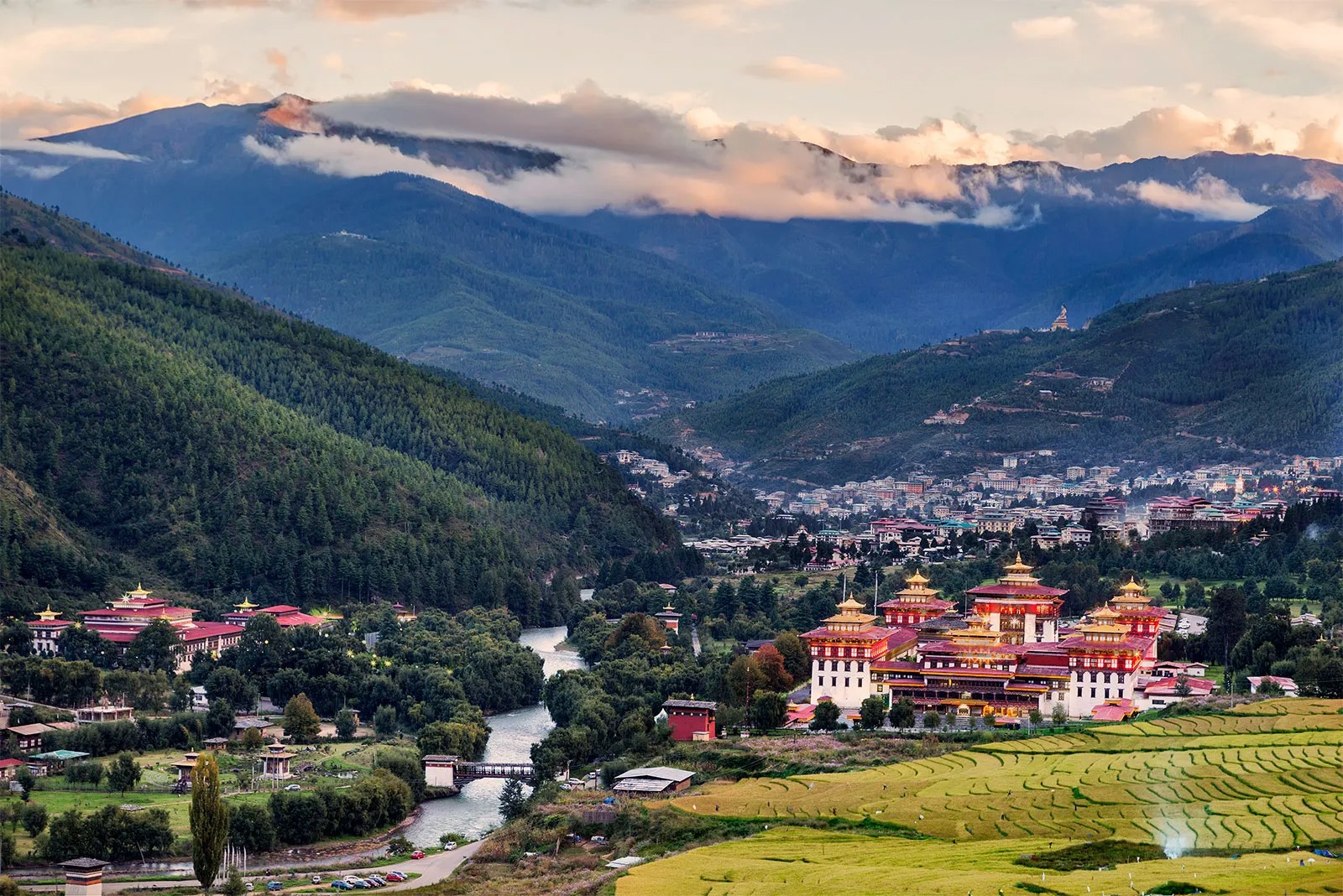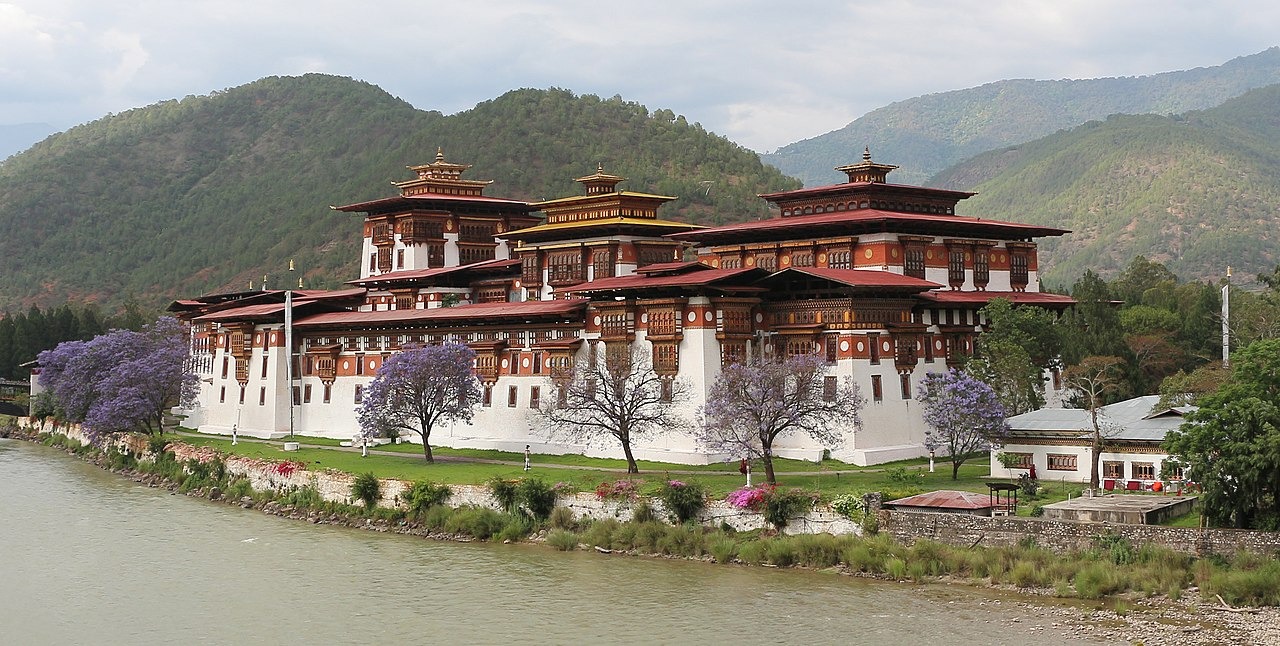
As we move into 2026, Bhutan continues to stand apart as one of the world’s most exclusive and carefully protected travel destinations. While many countries chase mass tourism, Bhutan remains committed to its “High Value, Low Volume” policy — prioritizing sustainability, culture, and environmental preservation over tourist numbers.
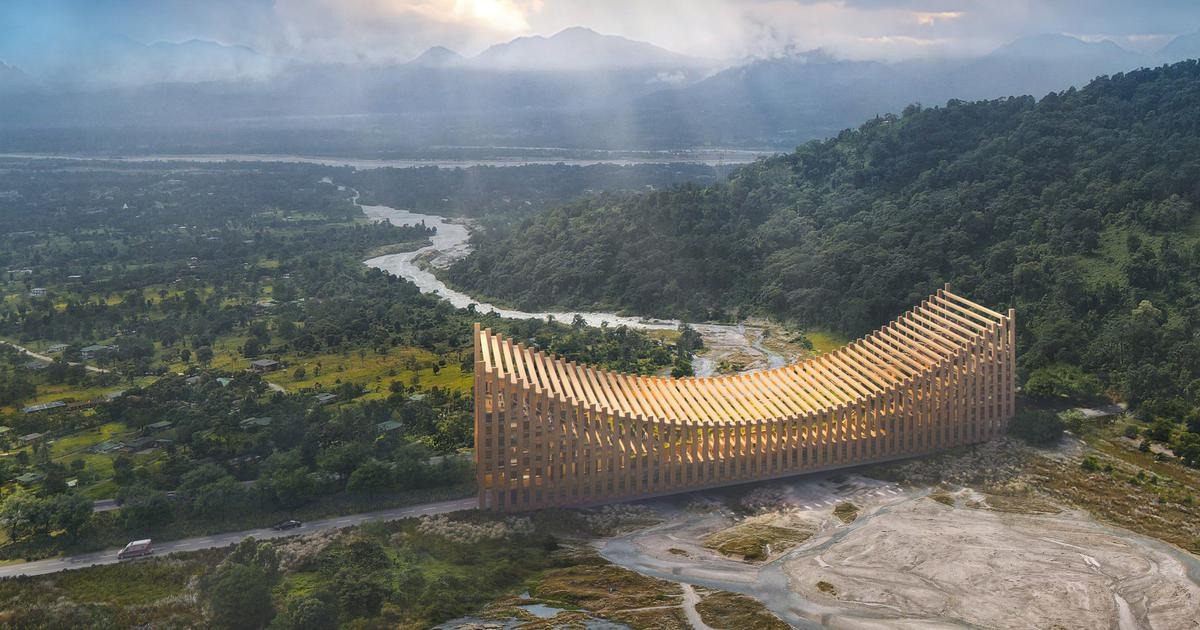
This year brings important updates. The 5% Goods and Services Tax (GST) on tourism services is now active, the Sustainable Development Fee (SDF) remains central to travel costs, and the ambitious Gelephu Mindfulness City project is reshaping southern Bhutan.
Whether you are an Indian traveler planning a road trip or an international visitor seeking spiritual immersion, understanding the 2026 regulations is essential. This guide breaks down everything — from seasonal insights and entry routes to permits, SDF rules, and what a Bhutan Tour Package truly includes.
1. Best Time to Visit Bhutan: A Seasonal Deep Dive
Bhutan’s “best time” depends entirely on what you seek — festivals, mountain clarity, wildlife, or solitude.
Spring (March to May): The Season of Color
Spring is widely considered peak travel season.
Weather: 15°C to 25°C — perfect for hiking and sightseeing.
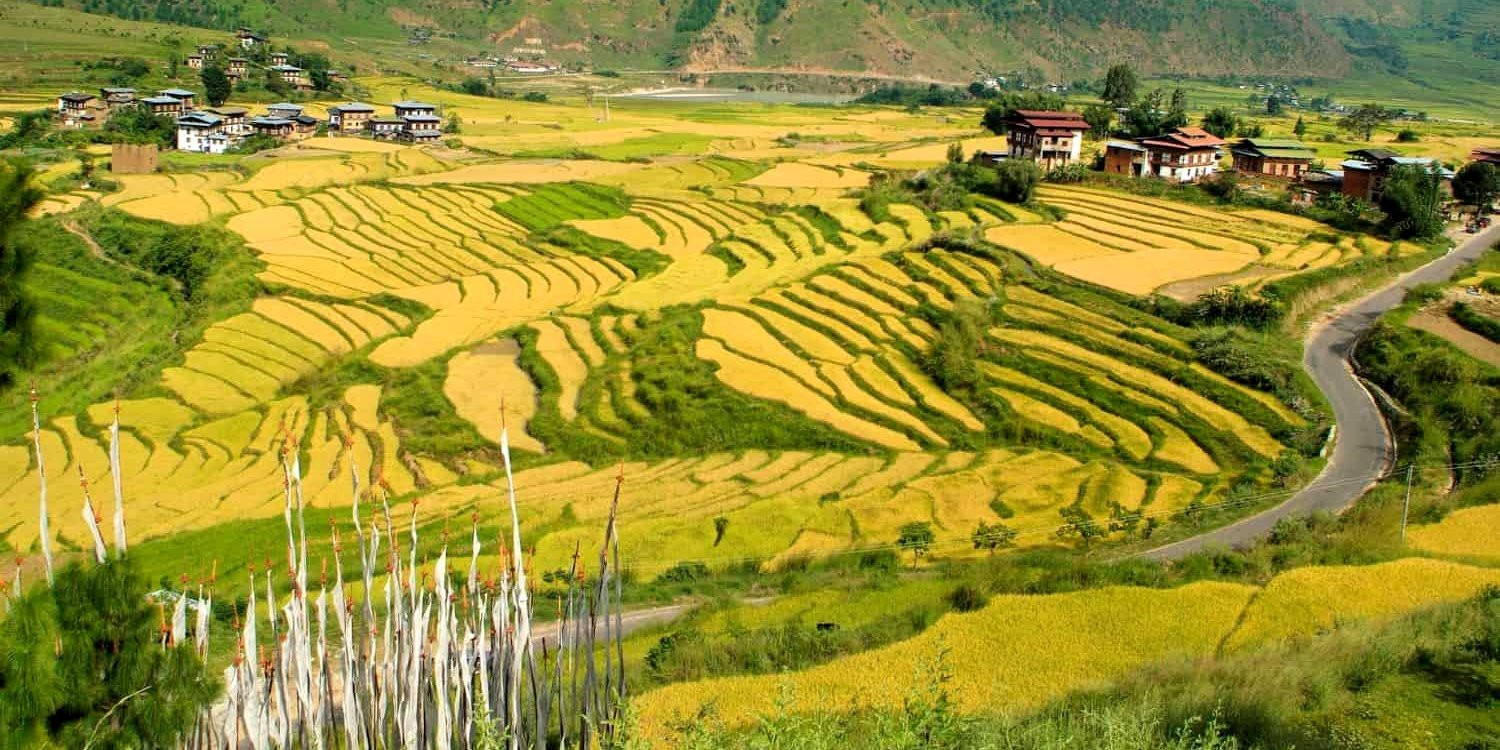
Landscape: Valleys like Punakha and Wangdue burst into bloom with jacarandas and rhododendrons.
Cultural Highlight: The Paro Tshechu festival.
This is the ideal time to hike to Paro Taktsang, dramatically perched 900 meters above the Paro Valley.
Traveler Tip: Flights to Paro sell out early — book months in advance.
Autumn (September to November): The Photographer’s Dream
Autumn offers crystal-clear Himalayan views.
Weather: Cool, crisp days and chilly nights.
Festival Highlight: Thimphu Tshechu.
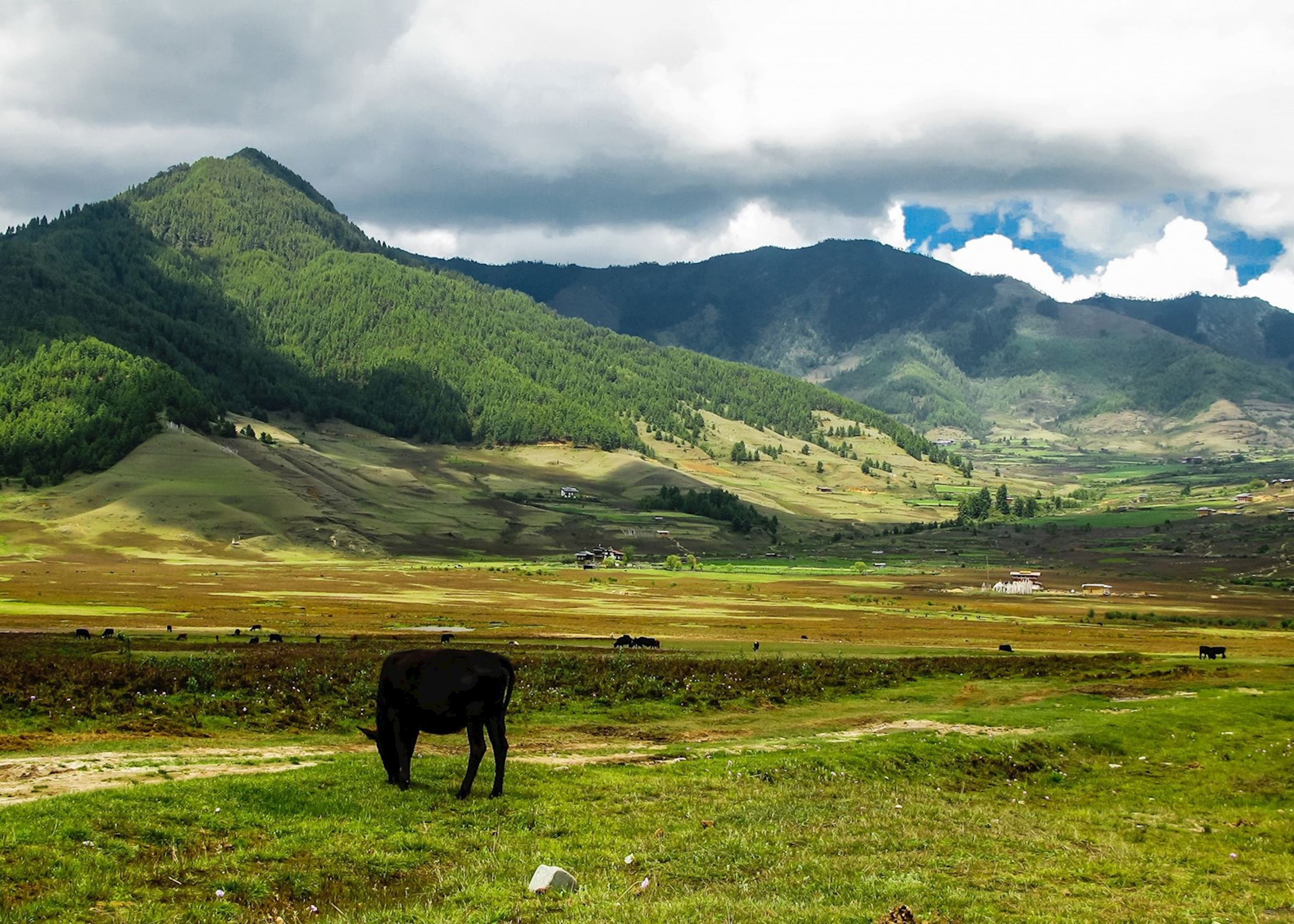
Wildlife: Black-Necked Cranes arrive in Phobjikha Valley.
Trekking conditions are optimal for high-altitude routes like the Jomolhari Trek.
Winter (December to February): The Quiet Escape
Winter is peaceful and underrated.
Weather: Cold but sunny skies.
Crowds: Minimal.
Advantage: Better hotel rates and serene monastery visits.
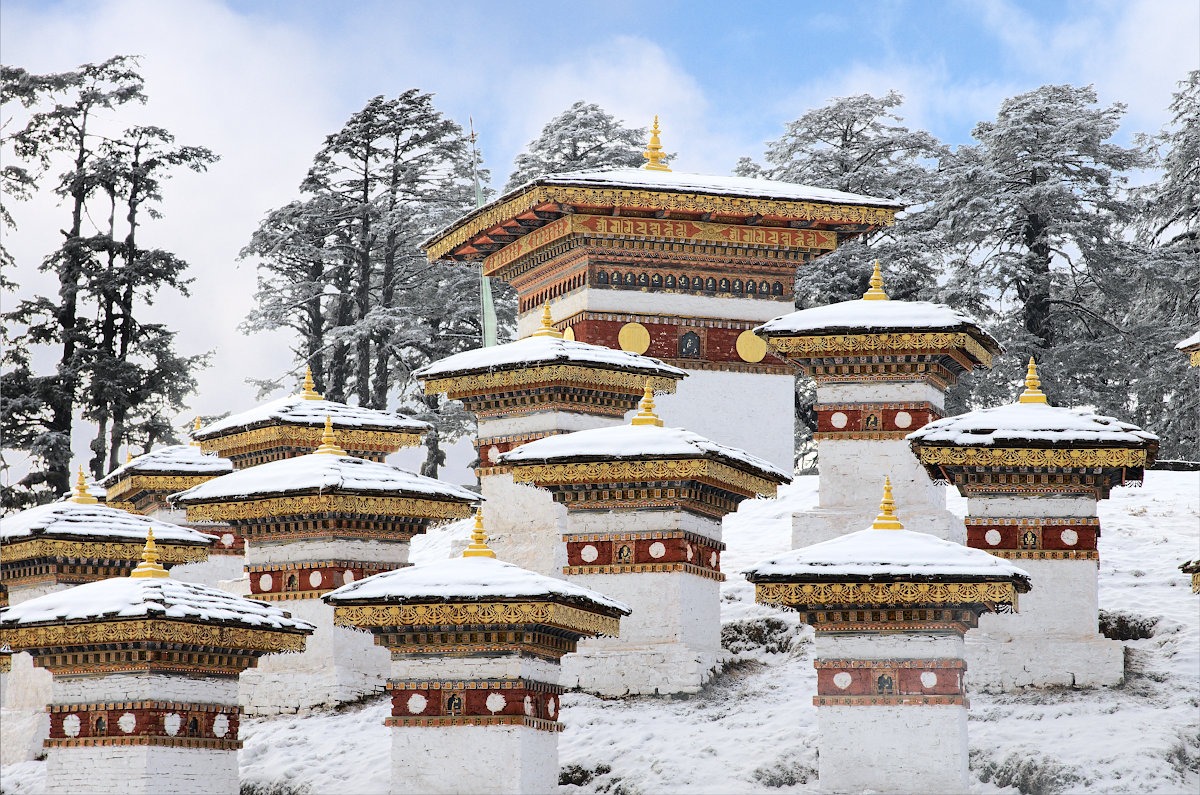
Cities like Thimphu and Paro may see snowfall, creating postcard-worthy scenes.
Monsoon (June to August): The Emerald Season
Monsoon paints Bhutan in lush green hues.
Rain Pattern: Mostly afternoon showers.
Best For: Wellness trips, hot stone baths, and quiet travel.
Bonus: Better flight deals and easier permit approvals.
2. How to Visit Bhutan from India: Air, Road & Rail
Bhutan is landlocked between India and China. Access remains intentionally limited.
By Air: The Himalayan Landing
The only international airport is Paro International Airport — famous for one of the most scenic landings in the world.
Airlines operating:
-
Drukair (Royal Bhutan Airlines)
-
Bhutan Airlines (Tashi Air)
Direct connections include Delhi, Kolkata, Guwahati, Bangkok, Kathmandu, and Singapore.
Southern Bhutan’s Gelephu airport expansion is underway as part of the Mindfulness City project.
By Road: Scenic Entry Points
Popular land borders for Indian travelers:
-
Phuentsholing (via Jaigaon, West Bengal)
-
Gelephu (Assam border)
-
Samdrup Jongkhar (Assam border)
Phuentsholing remains the busiest entry gate.
By Rail
Bhutan has no railway network.
Nearest Indian stations:
-
Hasimara
-
New Alipurduar
-
Guwahati
3. Bhutan Tourism Policies 2026: SDF, GST & Permits
Understanding costs is crucial.
Sustainable Development Fee (SDF)
-
International Tourists: USD 100 per night
-
Indian Nationals: INR 1,200 per night
-
Children 6–12: Usually 50%
-
Under 6: Generally exempt
The SDF funds Bhutan’s healthcare, education, and environmental conservation programs.
5% GST on Tourism Services
Effective January 1, 2026:
Applies to:
-
Hotels
-
Guides
-
Transport
-
Tour operations
The SDF itself is typically GST-exempt.
Permit Requirements
-
Entry Permit required for Indian nationals
-
Route Permit required beyond Paro and Thimphu
-
International tourists need visa clearance via licensed operators
4. Decoding the Bhutan Tour Package
In Bhutan, tour packages are the standard system.
International tourists must book through licensed operators to obtain visa clearance. Indian travelers can technically travel independently but often choose packages for smoother permit processing.
What’s Included in a 2026 Package?
Typically:
-
Government-certified 3-star hotels
-
Full-board meals
-
Private SUV or minivan
-
Professional driver
-
Licensed English-speaking guide
-
Permit processing
-
SDF handling
-
Applicable taxes
Luxury upgrades are available at additional cost.
Package Types
-
Cultural & Heritage Tours
-
Birdwatching Expeditions
-
Wellness Retreats
-
Adventure Treks
-
Motorbike Tours
5. Beyond the Itinerary: Key Regions to Explore

Western Bhutan: Cultural Heartland
-
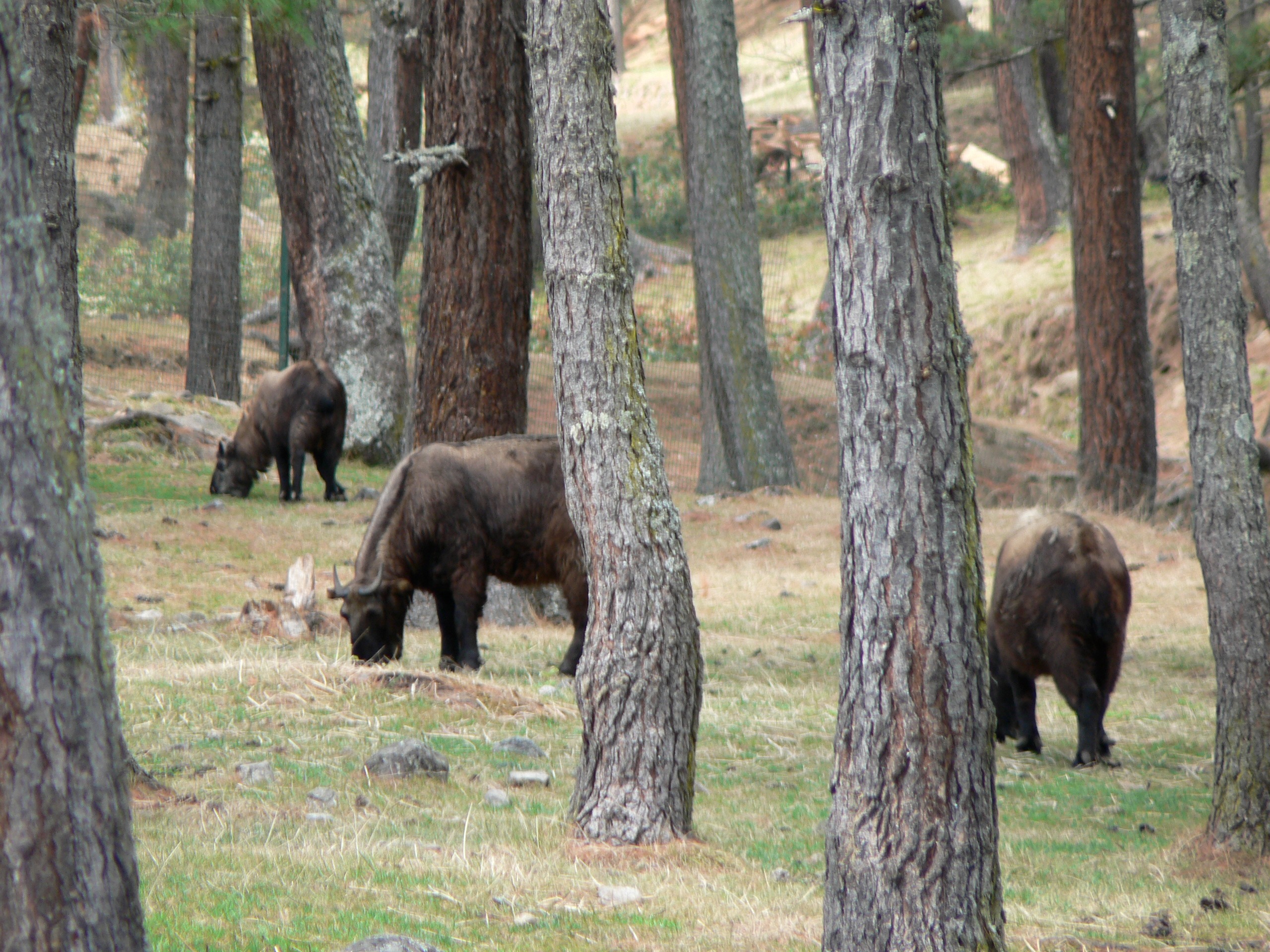
Thimphu – Home to Buddha Dordenma and Motithang Takin Preserve
-
Paro – Gateway to Tiger’s Nest
-
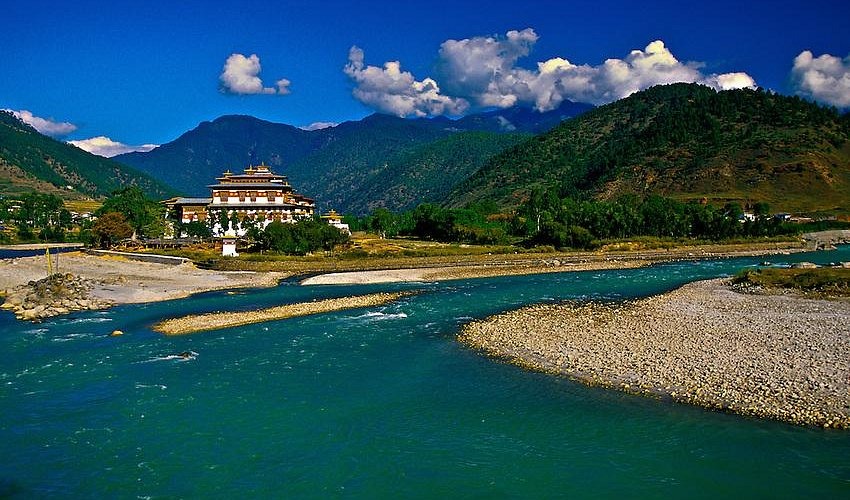
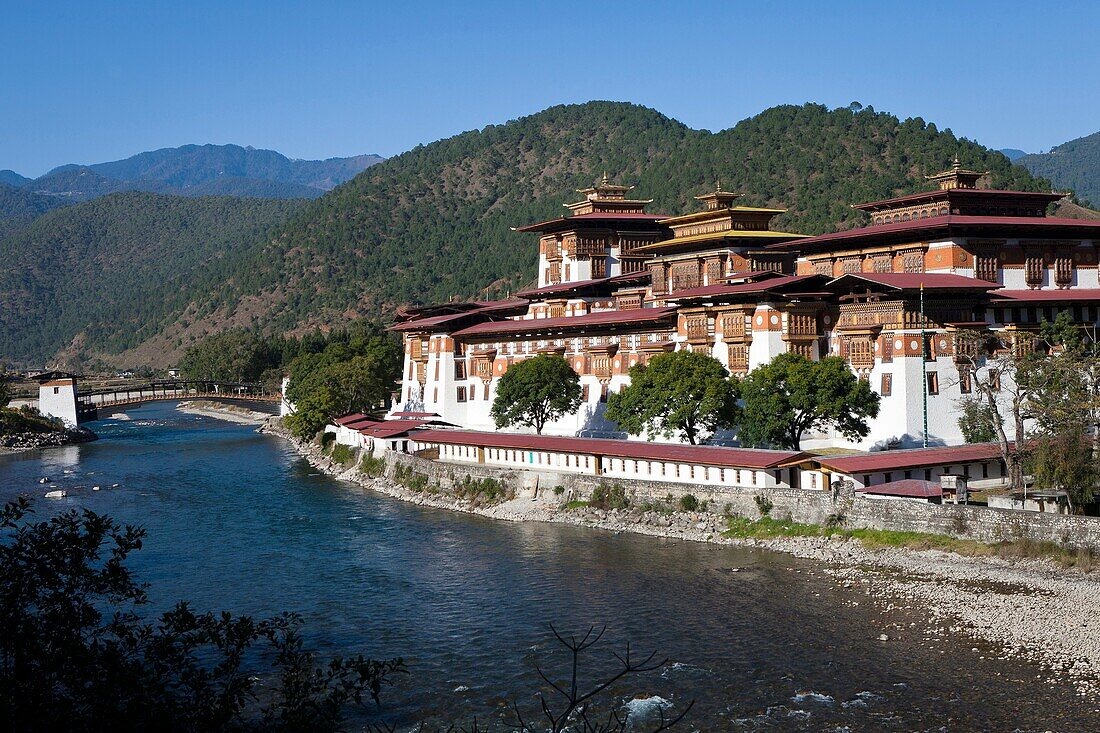
Punakha – Known for Punakha Dzong
Central Bhutan: Spiritual Core
-
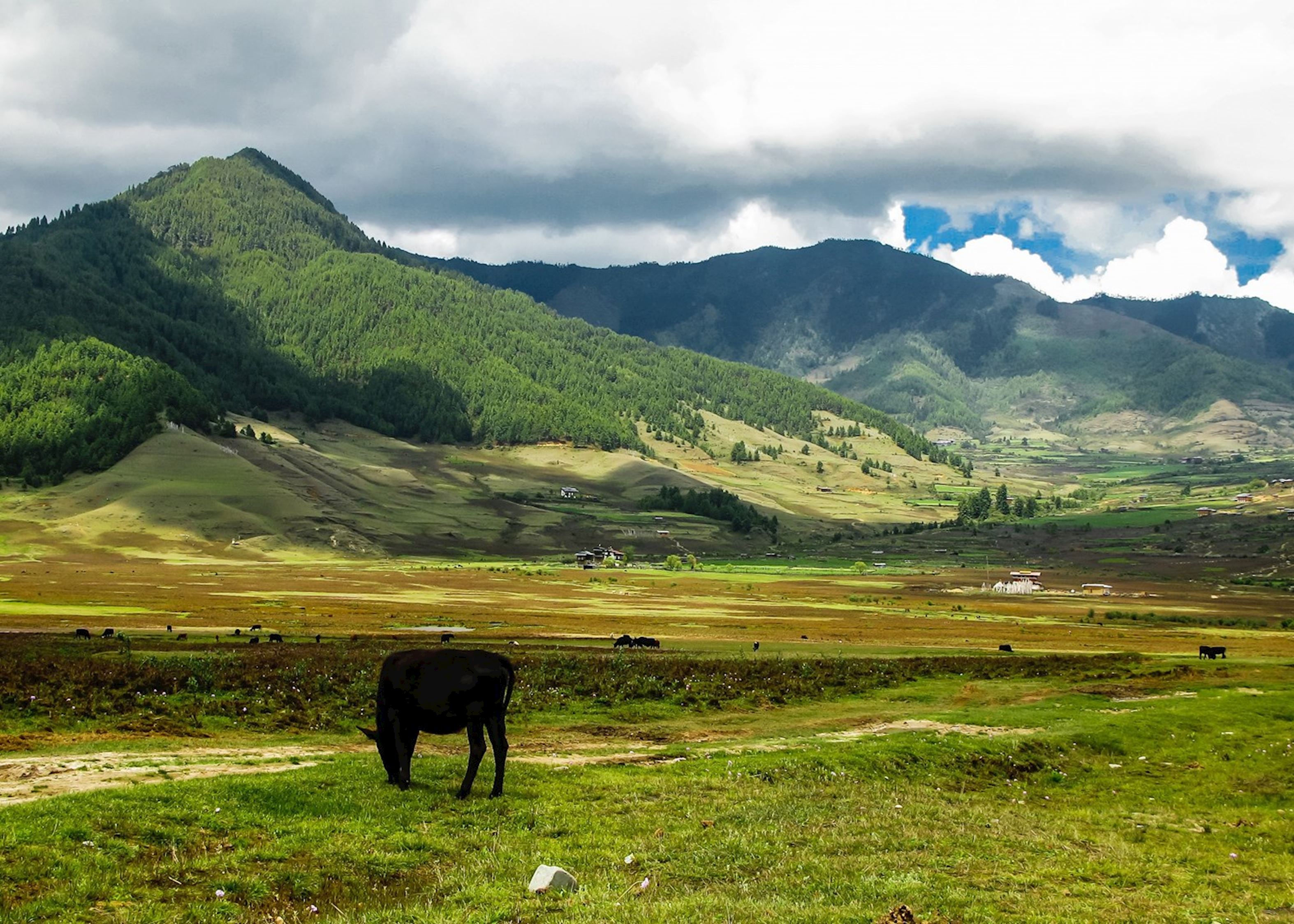
Phobjikha Valley – Black-necked crane habitat
-
Bumthang – Ancient temples and spiritual heritage
Southern Bhutan: The Future Hub
-
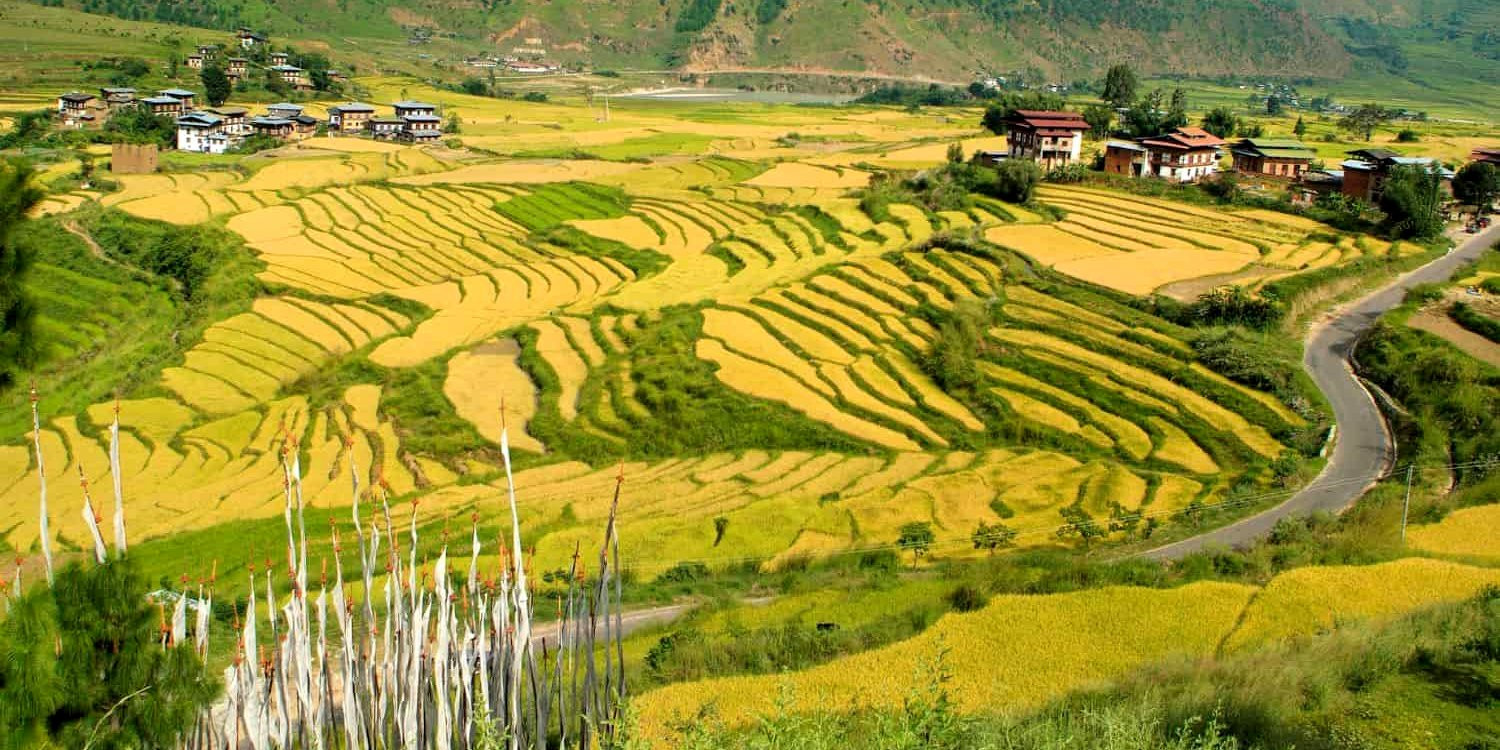
Gelephu – Emerging center for sustainability and mindfulness innovation
6. Practical Travel Logistics for 2026
Currency & Money
-
Currency: Ngultrum (BTN)
-
Pegged 1:1 with INR
-
Indian Rupee widely accepted (avoid ₹500 notes in remote areas)
-
USD preferred for international exchange
ATMs available in main towns but not always reliable.
Connectivity
-
Tourist SIM cards available at airport
-
Good 4G coverage in western and central Bhutan
-
Wi-Fi available in most hotels
Dress Code & Etiquette
When visiting Dzongs and monasteries:
-
Wear collared shirts
-
Full-length trousers required
-
No hats inside
-
No photography inside prayer halls
Respectful behavior is essential.
Conclusion: Why Bhutan in 2026 Is Different
Traveling to Bhutan in 2026 is not just a holiday — it is an intentional experience. The regulations, fees, and controlled tourism model are designed to protect the kingdom’s environment and culture.
By understanding the SDF structure, GST updates, permit system, and tour package framework, you ensure a smooth and meaningful journey.
Bhutan rewards patience, respect, and curiosity. In return, it offers something rare in today’s world — authenticity, serenity, and a deeper connection to nature and tradition.