
Have you ever paused and asked yourself why people are drawn to trekking?
At first, the answer appears obvious. Some do it to test their fitness, others for mental clarity, and still others simply seek adventure outside of their routine lives. However, as you spend more time in the mountains, you realize that trekking is rarely about reaching a summit or proving endurance. It becomes a quiet escape from the constant rush of city life, an opportunity to disconnect from screens, deadlines, and noise and reconnect with yourself in the most raw form possible.
In the mountains, comfort fades, but nature provides something far more valuable: perspective. Trekking teaches patience when the trail becomes difficult. And when you stand in front of landscapes much larger than yourself and express gratitude for the most basic things. This feeling becomes even more magical during India's monsoon season. In this blog, we look at some of the most spectacular monsoon treks in India that every trekker should try at least once.
Keep reading, fearless climbers!
Monsoon Treks In India
Monsoon trekking is not simply walking in the rain, it is about witnessing the most dramatic transformation of nature. June to September is the time when many trekking trails across India turn into dense forests, wild flowers bloom, valleys are misty, rivers are in spate and waterfalls appear from nowhere. The landscapes are fresher, greener and much more alive than any time of the year.
The true beauty of monsoon trekking is in the array of experiences it provides. Trails through the Western Ghats wind through rain soaked jungles, ancient forts and cloud shrouded rolling green hills. Meanwhile in the Himalayas, some rain shadow areas are still relatively stable, with surreal views of lush valleys, glacier-fed rivers and dramatic mountain scenery.
Is trekking during monsoon safe?
Mountains appear very different in monsoon. The forests are a deep green, the valleys still have drifting mist, the rivers are swollen with fresh glacier water, and the trails are quiet, with fewer people than in the height of summer. The beauty is unmatched but trekking in monsoon also has its own set of challenges which every trekker should be aware of before heading out for an adventure.
- Landslides are one of the major concerns in this season. Continuous rainfall can loosen rocks and soil in the mountains, often leading to blocked roads, damaged trails, and travel delays. In some remote areas, heavy rain can even leave trekkers temporarily stuck until routes are reopened.
- Another big concern is slick trails. Wet conditions mean more falls and injuries, especially on steep ascents and descents. Leeches may also be found in lower-altitude forest areas, and while they are harmless, many first-time hikers may find them uncomfortable.
- Furthermore, a sudden rain fall at higher altitudes can cause streams and river crossings to swell quickly, which can make them dangerous to cross without proper guidance.
Monsoon trekking does reward those who prepare wisely. While these challenges With the right gear, experienced trek leaders, weather awareness and realistic planning, the experience becomes truly memorable.
7 Best Monsoon Treks in India
Hampta Pass Trek

- Location: Himachal Pradesh (Manali region)
- Duration: 5–6 Days
- Difficulty: Moderate
- Altitude: ~14,100 ft
- Best Time: July to Early September
What makes it special in monsoon: It crosses the Hampta Pass at 14,100 ft and dramatically links the lush Kullu Valley with the arid moonscape of Lahaul and Spiti – arguably the most dramatic landscape shift you’ll ever do on foot.
What you’ll see: Dense oak and deodar forests, glacier-fed streams, wildflowers in bloom at Jwara, and the crescent-shaped Chandratal Lake shimmering at 14,100 ft (via Rohtang, subject to road conditions).
Trail character : The trail climbs gently from Jobra through Chikka and Balu Ka Ghera before the steep push to the pass. July should bring river crossings, boulder sections, and some snow near the summit.
Physical requirement: No previous high-altitude experience needed but regular cardio and leg training for 4-6 weeks will make a real difference on summit day.
Kashmir Great Lakes Trek

- Duration: 7–8 Days
- Difficulty: Moderate
- Altitude: ~13,800 ft (Gadsar Pass)
- Best Time: July to August
What makes it special in monsoon: Kashmir is in a rain shadow zone behind the Pir Panjal range – so even when the rest of India is drenched, the Great Lakes trail remains relatively clear. This is one of the very few Himalayan treks that is really at its best during the monsoon months.
What to expect: Spectacular alpine lakes, Vishansar, Krishansar, Gadsar, Satsar (two lakes), Nundkol and Gangbal, their water changing hue from turquoise to inky blue depending on the time of day. Add to that the Gadsar meadows carpeted with wildflowers, the Nichnai and Gadsar passes for sweeping panoramas.
Trail character: 9-12 km of walking per day on well defined trails with significant elevation gain. The passes, especially Gadsar Pass at 13750 ft, need a steady pace and proper acclimatization.
Physical requirement: This is a serious trek and not for the faint of heart or the outright beginner. At least one previous high altitude trek is advisable.
Experience mountains at every turn. Book your Kashmir Great Lakes trek with Travelvichar today.
Valley of Flowers Trek
- Location: Uttarakhand (Rishikesh-Rishikesh)
- Duration: 5–6 Days
- Difficulty: Easy to Moderate
- Altitude: ~14,100 ft (Hemkund Sahib)
- Best Time: Mid-July to August
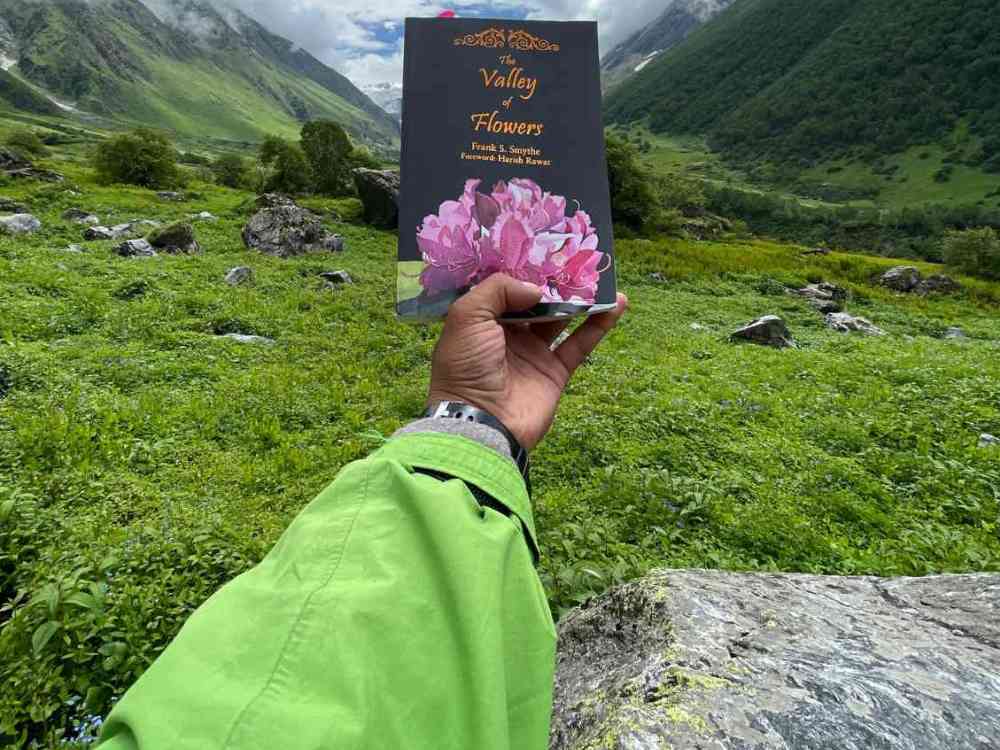
Why it’s special in monsoon: This is the only trek in India where monsoon is not just perfect, it’s the reason. The valley is closed for the rest of the year, technically. By mid-July the entire basin is awake.
What you will see: Over 600 species of alpine wildflowers across 87.5 sq km of valley floor, including rare Himalayan Blue Poppy, Brahma Kamal (the state flower of Uttarakhand), Cobra Lily, orchids and primulas. The optional Hemkund Sahib detour adds one of the world’s highest Gurdwaras, perched by a glacial lake at 14,100ft.
Trail character: This trail is well-paved and clearly marked, so it is really accessible for first-timers. The walk from Pulna to Ghangaria (9 km) is a continuous climb through forested paths, and the valley is a 4–5 km walk from base camp.
Physical requirement: Basic fitness is sufficient. For the Hemkund Sahib climb, which is more steep, focus on leg endurance and cardio stamina.
Book your perfect Valley of Flowers Trek with Travelvichar now!
Pin Bhaba Pass Trek

- Location: Himachal Pradesh (Kafnu to Mudh)
- Duration: 8 Days
- Difficulty: Moderate to Difficult
- Altitude: 16,100 ft
- Best Time: July to Mid-September
What is special about it in monsoon: The Spiti side is a rain shadow region, which makes the second half of the trek dry. Most of the trek is in the rain shadow area of the Himalayas, like the Pin Valley of the Spiti region. And that’s what makes it a safe and spectacular monsoon option. In eight days you walk Between two weathers.
What you’ll see: Dense coniferous forests of Mulling, the Kashmir-like meadows of Kara, alpine wildflowers in bloom, dramatic river crossings, glacial moraines near the pass, and finally the pink-toned multicolored mountains of Pin Valley spreading out below you at 16,100 ft. The Spiti descent offers lovely distant views of Key Gompa monastery.
Trail character: The summit day is the hardest, a long push over scree, snow patches and steep ascent to the pass before a demanding descent into Spiti. The rest of the route is hard but is doable if you are reasonably fit.
Physical requirement: Previous experience of high altitude trekking including one moderate trek is a must. The summit day covers between 16 and 18 km and is not to be underestimated.
Pin Bhaba Pass Trek Package by Travelvichar Explore.
Beas Kund Trek
- Location: Himachal Pradesh (Manali–Manali)
- Duration: 3 Days
- Difficulty: Easy to Moderate
- Altitude: 12,772 ft
- Best Time: May–June | September–October
What's special about it: 12,772 ft, with close-up views of Hanuman Tibba, Friendship Peak, Shitidhar and the Seven Sisters, this trek is short enough to squeeze into a long weekend but offers a mountain theatre that bigger, longer treks sometimes forget to include.
DDid you know: It is also of historical importance. The glacial lake at the end is said to be where Sage Vyas (of Mahabharata fame) meditated and bathed.
What You Will See: The Solang Valley, meadows of Dhundi and Bakarthach, dense forests of oak, pine and birch, glacier fed streams and the sacred emerald Beas Kund lake tucked in the Pir Panjal range at the head of the valley.
Trail character: From Dhundi the trail follows the Beas River upstream through more open meadows to the final steeper push to the lake. Summit day involves some boulder hopping and rocky ground near the kund.
Physical requirement: This trek is a good first Himalayan trek. No experience needed, though the altitude gain on day two is real and requires a comfortable pace.
Harishchandragad Trek

- Location: Western Ghats, Maharashtra (Ahmednagar district)
- Duration: 2 Days
- Difficulty: Easy to Moderate
- Altitude: 4,665 ft
- Best Time: July to October
Why it's special in monsoon: The Sahyadris are built to handle rain. Harishchandragad is a 6th century fort which gets engulfed in waterfalls and mist every monsoon. Waterfalls spring up from nowhere and the Konkan Kada is cloaked in clouds. This is by far the most dramatic version of the trek.
What You Will See: The Konkan Kada – a giant concave cliff with a sheer 2,000 foot drop overlooking the Konkan region. The Kedareshwar Cave with a 5-foot Shiva Linga standing in icy waist-deep water. The ancient Harishchandreshwar Temple carved from a single rock. Taramati Peak for a 360-degree Sahyadri panorama.
Trail character: Most popular, approx 7km one way, the Khireshwar route passes through dense forest, rocky patches and Tolar Khind saddle before opening to the fort plateau. Trails get slippery when it rains heavily. Good grip shoes and trekking poles are a must have.
Physical requirement: Moderate fitness is enough for Khireshwar route. Do not take the Nalichi Vaat route in peak monsoon unless you are an experienced trekker with climbing gear.
Tarsar Marsar Trek

- Location: Kashmir (Srinagar–Srinagar, via Aru Valley)
- Duration: 7 Days
- Difficulty: Moderate to Difficult
- Altitude: 13,500 ft
- Best Time: July to September
What makes it special in monsoon: Known as the quieter, more intimate cousin of the Kashmir Great Lakes trek, Tarsar Marsar benefits from the same rain-shadow advantage, with very little monsoon disruption and maximum floral beauty. In July and August, the meadows of Shekwas and Lidderwat are a trekking legend.
What you’ll see: Three high-altitude alpine lakes; Tarsar, with its crystal-clear turquoise waters and open meadow campsites; the mist-shrouded hidden Marsar and the smaller Sundarsar. You also walk through the Jagmargi grasslands sparkling with wildflowers in blue, yellow and pink, and come in contact with Gujjar and Bakarwal nomadic communities.
Character of the trail: Distances each day are easily walkable (7-10 km) but the pass crossings (including Tarsar Pass) require a steady pace and altitude awareness. The sections leading up to Marsar are steeper and more rugged.
Physical requirement: This trek is doable by the beginners with the training of 4 to 6 weeks. Previous experience of trekking at altitude is helpful but not necessary; good preparation is helpful.
Let the mountains test your spirit and the monsoon rain you with stories, silence, adventure and the unforgettable Himalayan landscapes for ever.
Book your Monsoon Trek with Travelvichar NOW!
Frequently asked questions
The Valley of Flowers trek is regarded as India's best monsoon trek due to the stunning blooms that cover the entire valley in July and August.
Some of the best July treks in India include Hampta Pass, Valley of Flowers, and Kashmir Great Lakes, which offer lush landscapes, lakes, and wildflowers.
The pleasant weather and vibrant scenery make August an ideal month to visit the Kashmir Great Lakes, Pin Bhaba Pass, and the Valley of Flowers.
Harishchandragad is Maharashtra's best monsoon trek, featuring waterfalls, forts, and mist-covered Sahyadri trails.
Yes, monsoon trekking is safe with experienced guides, appropriate rain gear, good trekking shoes, weather awareness, and realistic itinerary planning.
