

Close your eyes and think of Goa. You probably picture loud beach shacks, sunburnt tourists in shorts, and cocktails at sunset. That image is true—but it’s only half the story.
The other half begins when the first monsoon cloud drifts in from the Arabian Sea, usually in early June, and suddenly, Goa exhales.
Wondering if Goa during the monsoon is worth it? The answer is a resounding yes. The best places to visit then aren’t beach clubs, but ancient temples, misty hilltop passes, river islands, and colonial streets that look like paintings in the rain.
The narrow lanes of Fontainhas fill with the scent of wet earth and old stone. Waterfalls that were once dry gullies now thunder down the Western Ghats. Paddy fields turn an impossible shade of green. For those lucky visitors, this is when Goa feels most like itself—raw, quiet, lush, and deeply alive.
This guide will take you through all these magical monsoon experiences.
Goa is calling! Book your Travelvichar Goa Tour package now.
What Is Monsoon in Goa Actually Like?
Goa’s Monsoon Season: June to September
Goa’s monsoon runs from June through September, with July and August as the peak rainy months. Rainfall can be sudden and intense or a gentle, all-day drizzle that bathes the landscape in soft, cinematic light.
During monsoon, Goa offers a different travel experience. The sea becomes rough and unsafe for swimming, beaches display red flags, and water sports pause. Yet, what you lose in beach time, you gain in other rich experiences. The humidity is high, so pack light, breathable clothes. Temperatures stay comfortably mild, much more pleasant than the scorching heat of April and May.
Monsoon Goa is perfect for travelers seeking tranquility. The winter crowds disappear, accommodation and bike rental prices drop, and popular spots become peaceful havens shared with only a few visitors. Goa’s interiors—the Western Ghats, forest trails, river islands—come vividly alive. Panaji’s cafes turn into cozy, candlelit retreats.
Local festivals, like Sao Joao on June 24, bring vibrant color and community spirit to the rains.
For slow travelers and offbeat seekers, monsoon is arguably the most rewarding time to explore Goa.
How to Reach Goa
By Air:
Goa has two airports:
- Manohar International Airport (Mopa) in North Goa, closer to areas like Morjim and Mapusa.
- Dabolim Airport, about 26 km from Panaji, the state capital.
Both airports serve major domestic and international carriers. Traveling during monsoon often offers advantageous pricing on flights.
By Train:
The scenic Konkan Railway line offers breathtaking views of rivers, forests, tunnels, and lush green fields, especially vibrant during the monsoon.
Key stations include Madgaon (Margao), Vasco-Da-Gama, and Thivim. Popular trains connect Goa with major cities like Mumbai and Delhi.
By Road:
- From Mumbai, the most common route is via NH66, covering around 590 km and taking 10–12 hours.
- From Bangalore, travelers typically use NH48, which is about 560 km with a travel time of 10–11 hours.
Monsoon Driving Advisory: The ghats along these routes can be slippery and prone to landslides during heavy rains. Drive cautiously and check weather and road conditions in advance.
This guide helps you plan your travel to Goa safely and comfortably, even during the monsoon season.
Best Places to Visit in Goa During Monsoon
Dudhsagar Falls: The Mightiest Show in the Western Ghats
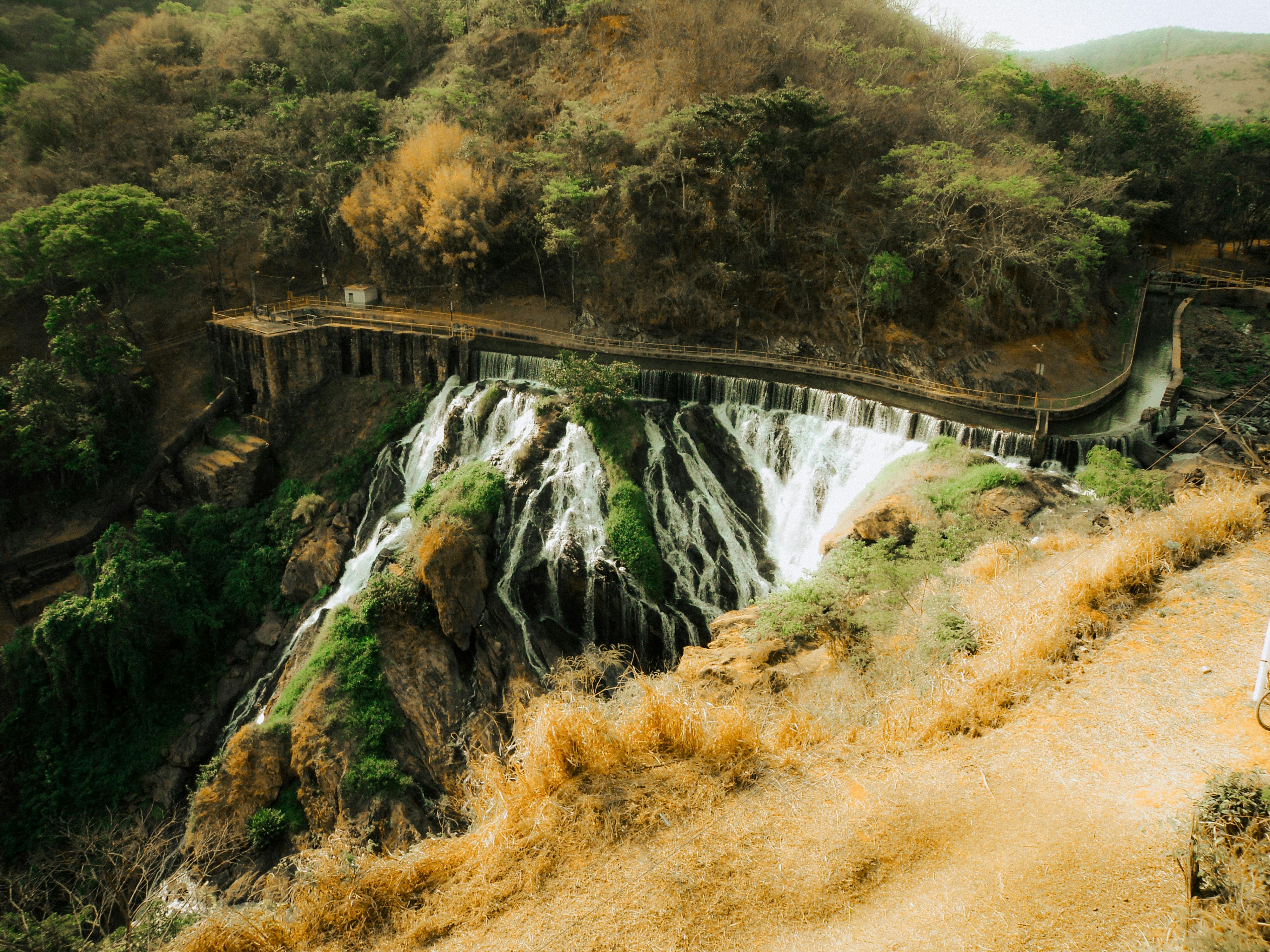
Dudhsagar, meaning Sea of Milk, is one of India’s tallest waterfalls, plunging over 300 meters. During monsoon, the waterfall truly lives up to its name as water cascades in powerful white torrents, creating mist that drifts through the dense forest canopy.
How to Get There:
- Most visitors take a jeep safari from Mollem or the Bhagwan Mahavir Wildlife Sanctuary.
- Trekking along the railway tracks is an option for the physically fit, though the journey is long and challenging. The trek through the lush, rain-soaked jungle is part of the adventure.
Nearby Food:
- Enjoy a simple Goan thali at stalls near Mollem village.
- For a heartier meal, head to Ponda for authentic fish curry rice.
Travel Tip:
- Access to Dudhsagar is often restricted during peak monsoon due to flooding and unsafe trail conditions.
- Always check with local guides before visiting.
- Never swim in the pool at the waterfall base when water levels are high—it’s dangerous.
Dudhsagar in the monsoon is a breathtaking spectacle and a must-visit for nature lovers who plan carefully.
Palolem Beach in Monsoon: The Most Beautiful Quiet in South Goa

During the monsoon, Palolem Beach undergoes a beautiful transformation. Most beach shacks close, and the crescent-shaped bay empties out, leaving behind one of the most stunning and peaceful natural beaches in South Goa. The palms sway fiercely in the sea breeze, the horizon blends into the clouds, and you’ll often find long stretches of sand all to yourself.
Even if you’re based in North Goa, a drive down to Palolem for a couple of nights is worthwhile. The South Goa road trip through Margao and Colva is scenic and lush during the rains.
Nearby Food:
- A few local restaurants in Palolem village remain open year-round.
- Try the fresh and simple fish thali at Dropadi Restaurant—a local favorite.
Travel Tip:
- The drive from North Goa to Palolem takes about 1.5–2 hours.
- Plan your trip on a dry day for the best road conditions.
Palolem in monsoon is a tranquil escape into Goa’s lush coastal beauty.
Dolphin Watching in Goa
Off Goa’s coast, you can witness pods of dolphins playfully frolicking in the Arabian Sea—an extraordinary and unforgettable sight. These graceful creatures are most visible during the winter months, especially in the morning and evening hours.
How to Experience:
- Hire a boat from the beach for about Rs. 2200.
- The boat tour lasts around 1.5 hours, taking you out to sea to spot dolphins and then dropping you off at a secluded beach to relax.
- This activity is especially fun when traveled in a group.
Best Spots:
- Palolem Beach is the most popular location for dolphin watching.
- For smaller groups seeking a cheaper option, Coco Beach offers good deals.
Dolphin watching in Goa is a magical experience that adds a splash of adventure to your trip.
Grand Island: An Underwater Adventure Paradise
For travelers seeking adventure, Grand Island is one of the best places to visit in Goa. Surrounded by crystal-clear waters, the island is famous for scuba diving and snorkeling experiences.
The underwater world here is filled with colorful fish, coral formations, and fascinating marine life. Even beginners can participate with the help of trained instructors.
Nearby food: Most diving tours include meals and refreshments during the trip.
Travel tip: Book your diving session in advance, especially during the peak tourist season.
Chapora Fort: The Famous Sunset Point
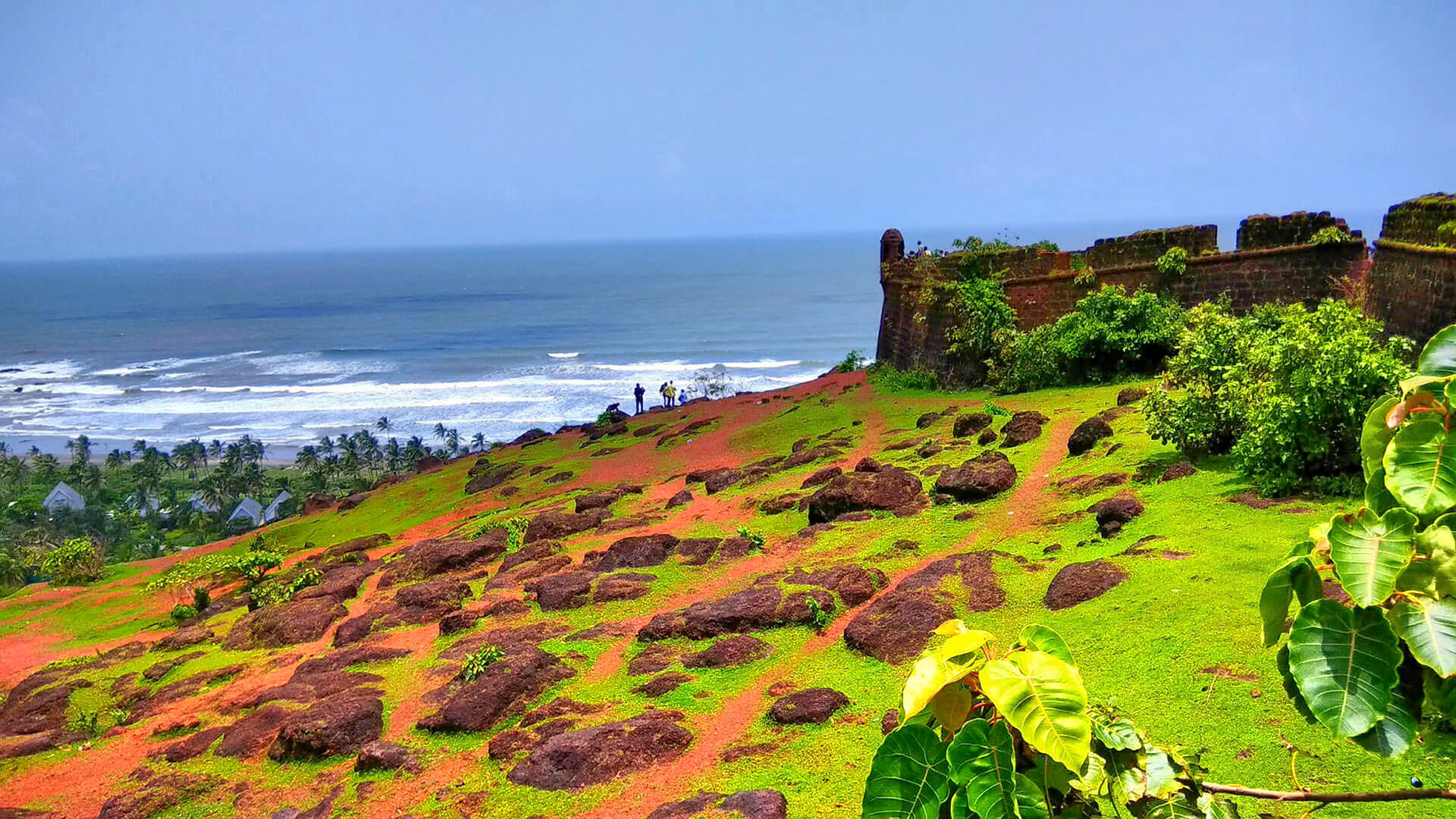
Perched high above Vagator Beach, Chapora Fort offers some of the most breathtaking views in Goa. The fort gained widespread popularity after appearing in the Bollywood film Dil Chahta Hai and remains a favorite among photographers and travelers.
The walk to the top is relatively short but rewarding. Once there, you'll be greeted by sweeping views of the coastline, rolling hills, and the endless Arabian Sea.
Nearby food: Several cafés near Vagator serve delicious snacks and cold beverages.
Travel tip: Visit during golden hour for the best photographs.
Vagator Beach: Cliffs, Sunsets, and Bohemian Vibes
If you're looking for a beach that combines natural beauty with a relaxed atmosphere, Vagator Beach is the perfect choice. Nestled beneath dramatic red cliffs, this beach offers some of the most spectacular sunset views in Goa.
Unlike the busier beaches of North Goa, Vagator feels more laid-back and artistic. Palm trees sway above the shoreline while beach cafés serve refreshing drinks and local delicacies. The nearby Chapora Fort adds to the experience, offering elevated views of the Arabian Sea.
Nearby food: Enjoy seafood grills and wood-fired pizzas at the many cliffside restaurants overlooking the beach.
Travel tip: Stay until sunset and climb to Chapora Fort afterward for panoramic evening views.
Fort Aguada: Goa's Historic Seaside Fortress
Standing proudly above the Arabian Sea since the 17th century, Fort Aguada is one of Goa's most iconic landmarks. Built by the Portuguese to protect their territory from invading ships, the fort continues to attract visitors with its rich history and breathtaking coastal views.
Walking through the fort's massive stone walls, you'll be rewarded with panoramic views of the sea and surrounding coastline. The famous lighthouse nearby remains one of the most photographed spots in Goa. Sunset here is particularly magical as golden hues paint the sky and ocean.
Nearby food: Several cafés and restaurants near Candolim offer delicious Goan and continental cuisine.
Travel tip: Carry water and wear comfortable footwear, as exploring the fort involves a fair amount of walking.
Calangute Beach: The Queen of Goa's Coastline
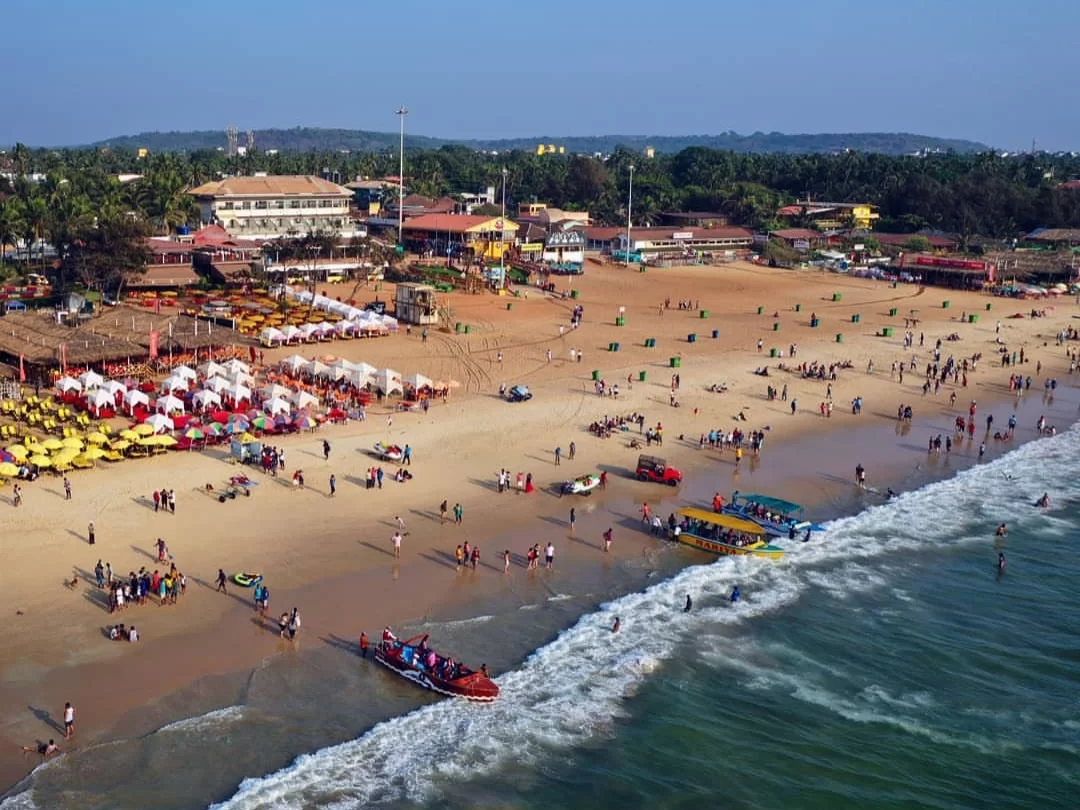
Golden sands stretching as far as the eye can see, vibrant beach shacks, colorful parasails floating above the Arabian Sea, and a lively atmosphere throughout the day—Calangute Beach perfectly captures the spirit of Goa. Often referred to as the "Queen of Beaches," Calangute is one of the most popular destinations in North Goa.
The beach is ideal for travelers looking to experience the energy of Goa. During the day, visitors can indulge in water sports such as jet skiing, parasailing, and banana boat rides. As evening approaches, beachside cafés and shacks come alive with music, fresh seafood, and stunning sunset views.
Nearby food: Try fresh seafood platters, Goan fish curry, and prawn recheado at the beach shacks lining the shore.
Travel tip: Visit early in the morning or during sunset to avoid peak crowds and enjoy the beach at its most beautiful.
Vagator Beach: Cliffs, Sunsets, and Bohemian Vibes
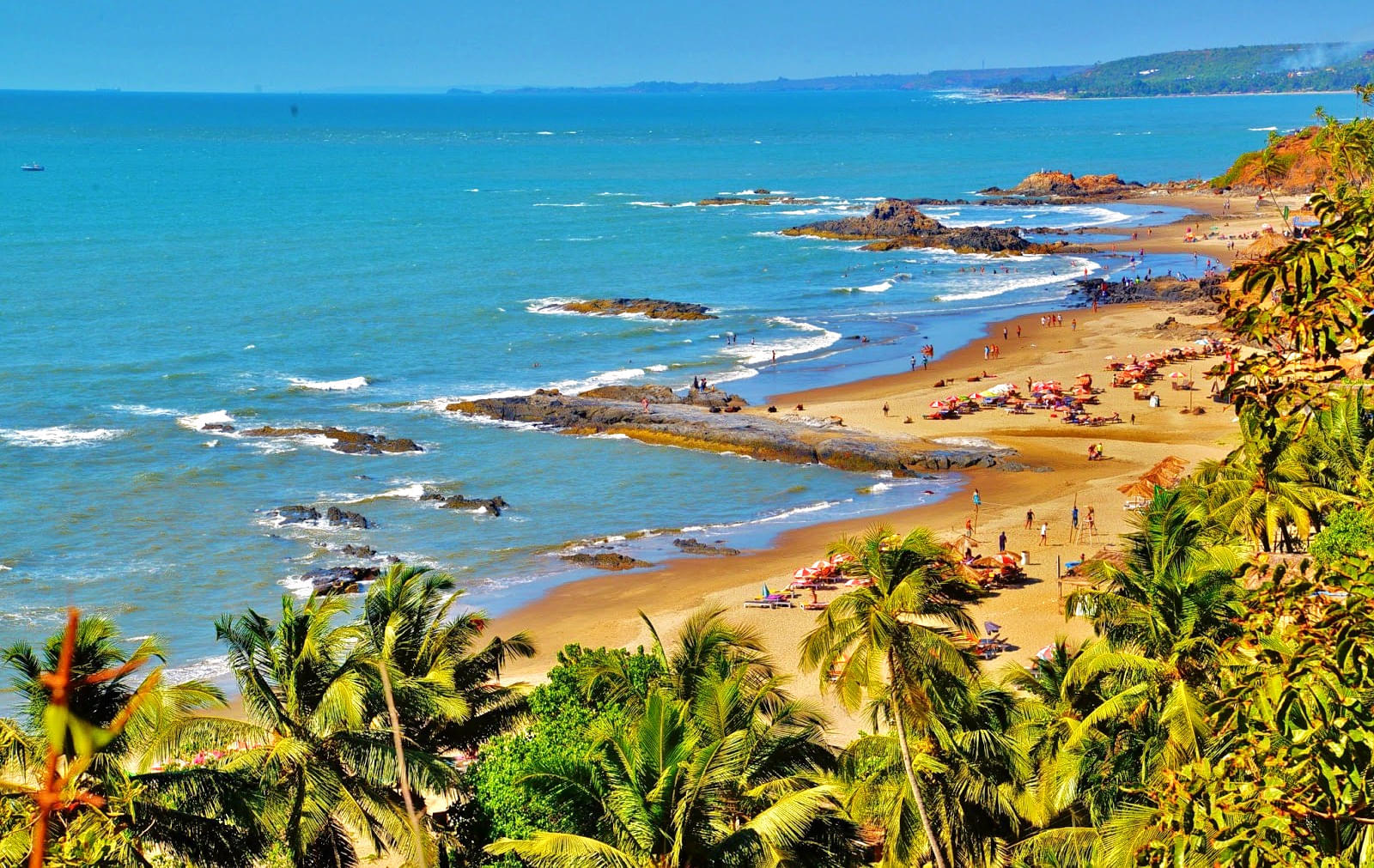
If you're looking for a beach that combines natural beauty with a relaxed atmosphere, Vagator Beach is the perfect choice. Nestled beneath dramatic red cliffs, this beach offers some of the most spectacular sunset views in Goa.
Unlike the busier beaches of North Goa, Vagator feels more laid-back and artistic. Palm trees sway above the shoreline while beach cafés serve refreshing drinks and local delicacies. The nearby Chapora Fort adds to the experience, offering elevated views of the Arabian Sea.
Nearby food: Enjoy seafood grills and wood-fired pizzas at the many cliffside restaurants overlooking the beach.
Travel tip: Stay until sunset and climb to Chapora Fort afterward for panoramic evening views.
Basilica of Bom Jesus: Where History Meets the Monsoon Rain
Old Goa’s churches are stunning year-round, but the Basilica of Bom Jesus takes on a special, almost spiritual aura in the rain. This 16th-century Baroque church, a UNESCO World Heritage Site, houses the mortal remains of St. Francis Xavier. Its ochre-red laterite façade glows beautifully against the monsoon sky.
During the off-season, the area is peaceful. You can stroll comfortably between the Se Cathedral and the Convent of St. Francis of Assisi without crowds. The sound of rain hitting centuries-old stone is an unforgettable experience.
Nearby Food:
- Café Real, near Old Goa, offers simple and authentic Goan meals.
- Try the fish thali or the traditional bebinca dessert.
Travel Tip:
- Wear modest clothing (cover shoulders and knees) when visiting churches.
- Carry a compact umbrella, as the walk between churches has open stretches.
Old Goa in the monsoon is a quiet, soulful journey through history and architecture.
Things to Do in Goa During Monsoon
- Waterfall Trekking:
Explore the spectacular waterfalls at their peak—Dudhsagar, Tambdi Surla, Harvalem, and Chorla Falls. Always trek with a local guide and check trail conditions beforehand.
- Café Hopping in Panaji:
Enjoy slow, rainy afternoons in Panaji’s cozy cafés around Fontainhas, Church Square, and MG Road—perfect for good coffee and a book.
- Village Cycling on Divar or Chorao Islands:
Experience tranquil, human-scale travel by ferrying to these islands and cycling through quiet villages with a few friendly locals.
- Spice Plantation Tours in Ponda:
Monsoon rains intensify the fragrance of pepper, cardamom, cinnamon, and vanilla. Guided walks through spice farms become an intoxicating sensory experience.
- Wildlife and Forest Exploration:
Visit Bhagwan Mahavir Sanctuary or the forests around Chorla Ghat to witness Goa’s ecosystem at its most vibrant during the rains.
- Photography Tours:
Capture the dramatic monsoon light in Goa—from colonial streets in Fontainhas to crashing waves at Vagator, and misty forests at Chorla Ghat. The grey skies and wet surfaces create a rich, saturated palette.
- Spa and Wellness Retreats:
The monsoon is ideal for Ayurvedic treatments, with humidity aiding absorption. Retreat centers in Assagao, Mandrem, and South Goa offer specialized monsoon wellness programs.
Monsoon Goa offers a unique blend of adventure, culture, nature, and relaxation for those who embrace its slower, lush rhythm.
What to Eat in Goa During Monsoon
- Goan Fish Curry Rice:
The heart of Goa’s cuisine—a tangy, coconut-based curry with fresh fish, served with rice in a traditional thali. Simple, perfect, and irreplaceable.
- Prawn Balchão:
A bold, fiery prawn pickle that tastes just right on a rainy day, especially with hot, freshly cooked rice.
- Sol Kadhi:
A refreshing cold drink made from kokum and coconut milk. Mildly sweet and pleasantly sour, it’s perfect for the monsoon humidity and widely available.
- Bebinca:
Goa’s queen of desserts, a rich, multi-layered coconut and egg pudding best enjoyed warm at sit-down restaurants rather than beach stalls.
- Street Snacks:
Bhajiya (deep-fried fritters) and pakoras sold by roadside vendors during the rains are Goa’s monsoon comfort food. Best eaten hot, standing in the drizzle, with a cup of chai—possibly the best monsoon treat you’ll find.
Enjoy the rich flavors of Goa’s monsoon cuisine that perfectly complement the season’s lush and cozy atmosphere.
Monsoon Travel Safety and Tips for Goa
- Never swim in the sea:
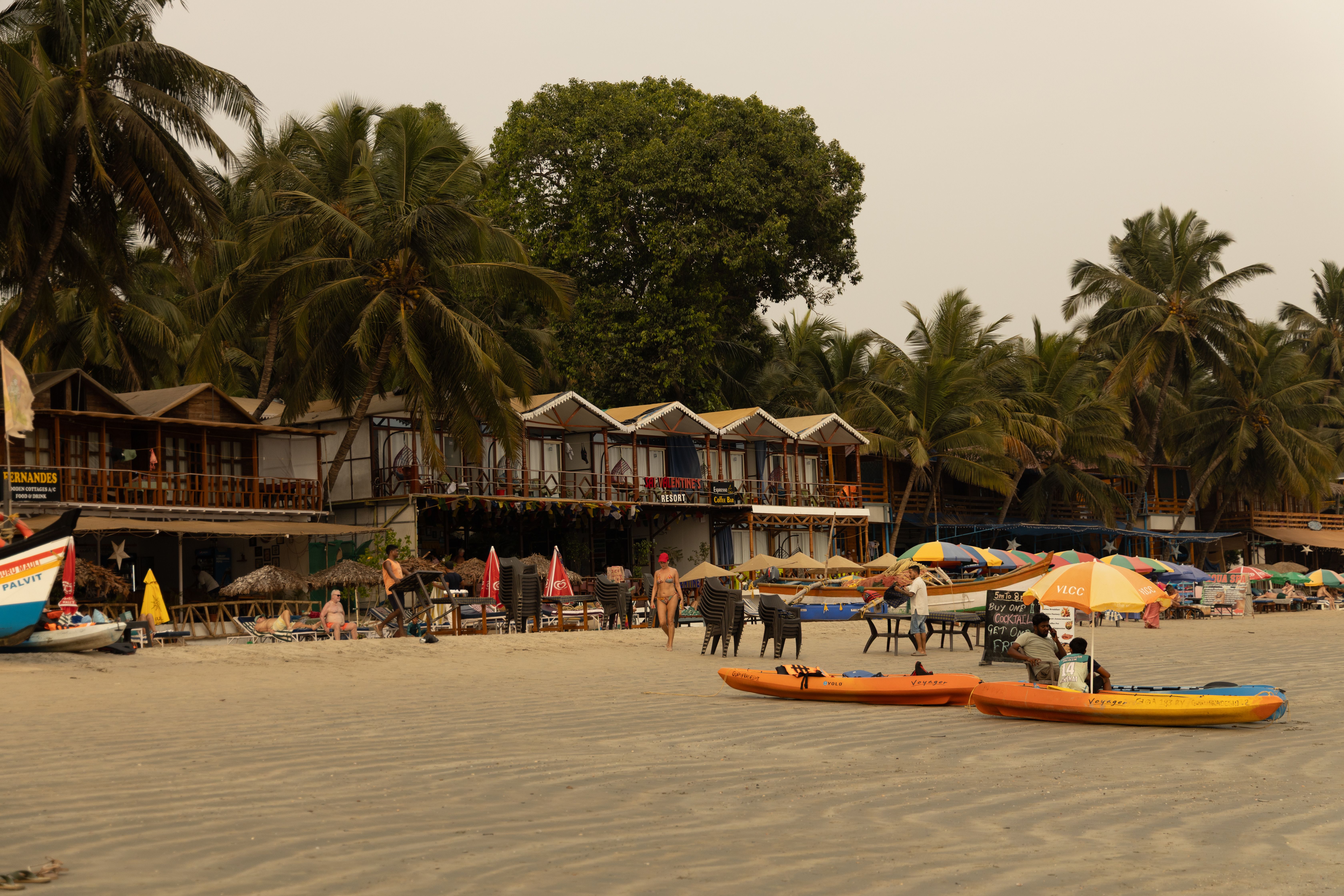
Monsoon currents along the Goan coast are powerful and unpredictable. Red flags are there for your safety. Stay on the shore and enjoy the views.
- Pack smart:
A lightweight waterproof jacket is more useful than an umbrella (which strong winds can ruin). Bring quick-dry clothes, waterproof sandals or trekking shoes, and a dry bag for your camera and phone.
- Plan travel routes carefully:
Interior roads and forest trails may flood or become dangerous in heavy rain. Download the offline Google Maps for Goa and check local weather before visiting waterfalls or ghats.
- Respect safety barriers at waterfalls:
Flash floods can happen suddenly during peak monsoon. Avoid climbing wet rocks or entering restricted areas near waterfall bases.
- Ideal trip duration:
-
- 5–7 days to explore North Goa’s heritage and café scene, waterfalls, ghats, and a day trip to South Goa.
- 3–4 days works for focusing on one region.
Best monsoon months to visit:
Early monsoon (June to early July) and late monsoon (late August to September) offer more breaks in the rain and easier travel than peak July. July’s intense monsoon is perfect if chasing dramatic waterfall sights.
Travel safely and enjoy the lush, vibrant monsoon Goa experience.
Goa Is Waiting for You in a Different Way
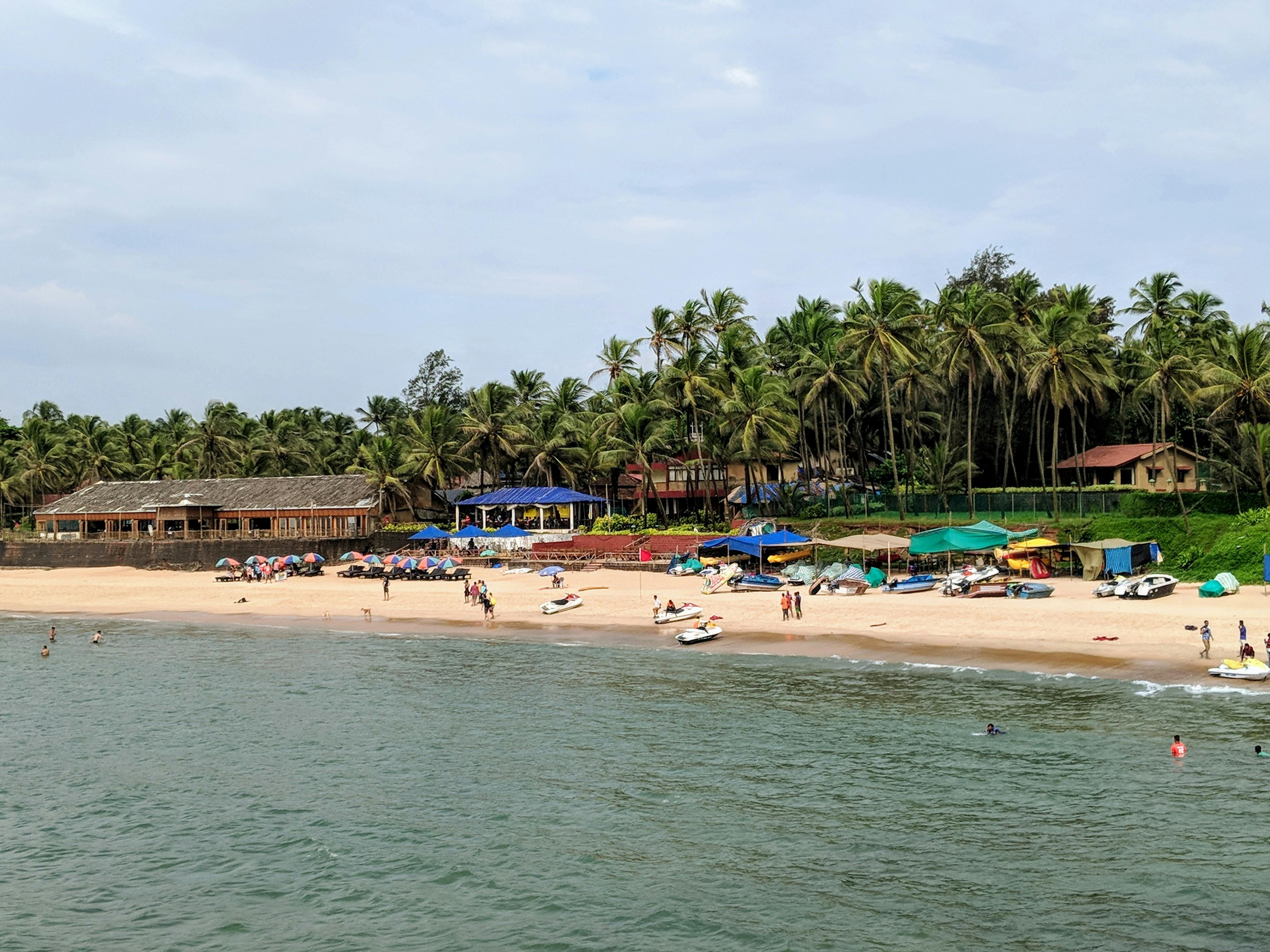
Explore a side of Goa that only emerges when the crowds fade and the rains arrive. This isn’t the Goa of Instagram sunsets and trance music—though there’s beauty there too. This Goa smells of earth, spices, and old stone. It sounds like rain tapping on terracotta tiles and rivers swelling through dense forests. It tastes like fish curry savored under a tin roof as thunderstorms roll by.
These monsoon places invite you to slow down, look closer, and feel deeper. That, after all, is the essence of travel.
At Travelvichar , we believe the most meaningful journeys are those that change your perspective. Goa in the monsoon offers that transformative power in abundance. If you’re ready to see Goa beyond the usual, we’d love to guide you there.
Discover the green, the quiet, and the real.
Explore the Travelvichar Goa Tour Package Now.
Most Asked Questions
The interiors of Goa are glowing in monsoon specially Chorla Ghat, Divar Island, Chorao Island, Bhagwan Mahavir Sanctuary and the heritage zones like Fontainhas.
Beaches open for walking and sightseeing. However, due to rough seas, strong currents and safety, swimming and water sports are limited.
For waterfalls and green scenery July is good. Dudhsagar Falls, Chorla Ghat, Tambdi Surla, Harvalem Falls and Bhagwan Mahavir Sanctuary are highly recommended.
Palolem Beach is peaceful and has routes through Margao and Colva that reveal lush monsoon scenery, quiet roads and authentic Goan atmosphere.
Divar Island, Chorao Island, São Tomé, Chorla Ghat, Tambdi Surla, Old Mint House and Bhagwan Mahavir Sanctuary have the unique offbeat monsoon experiences.
