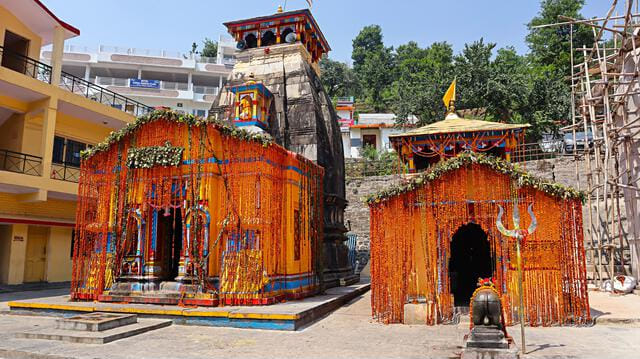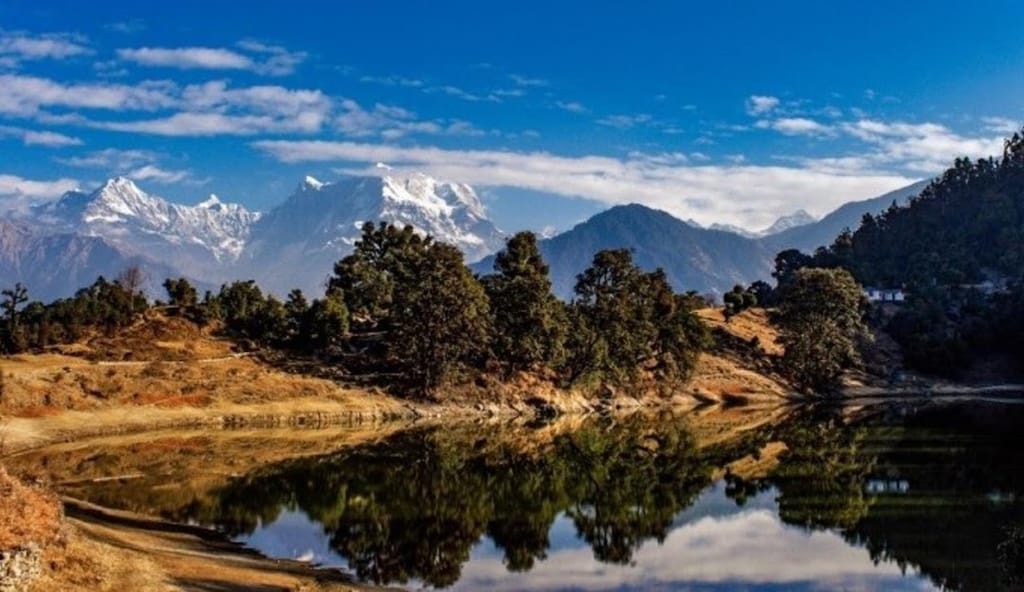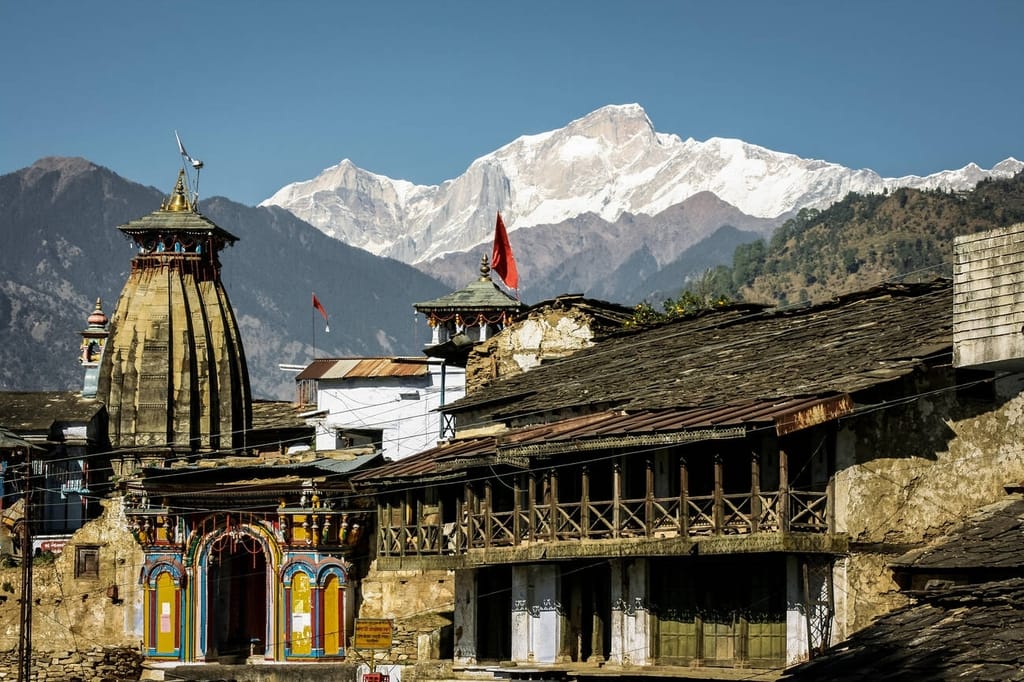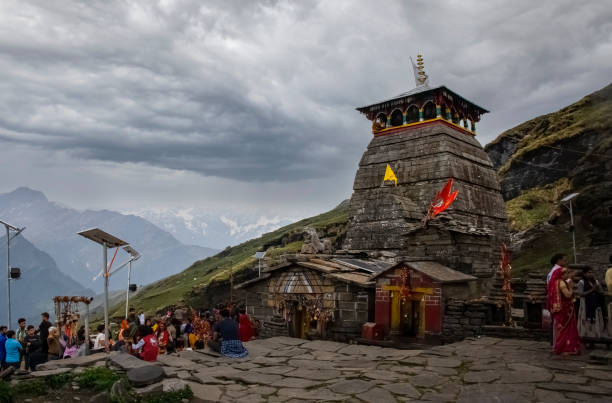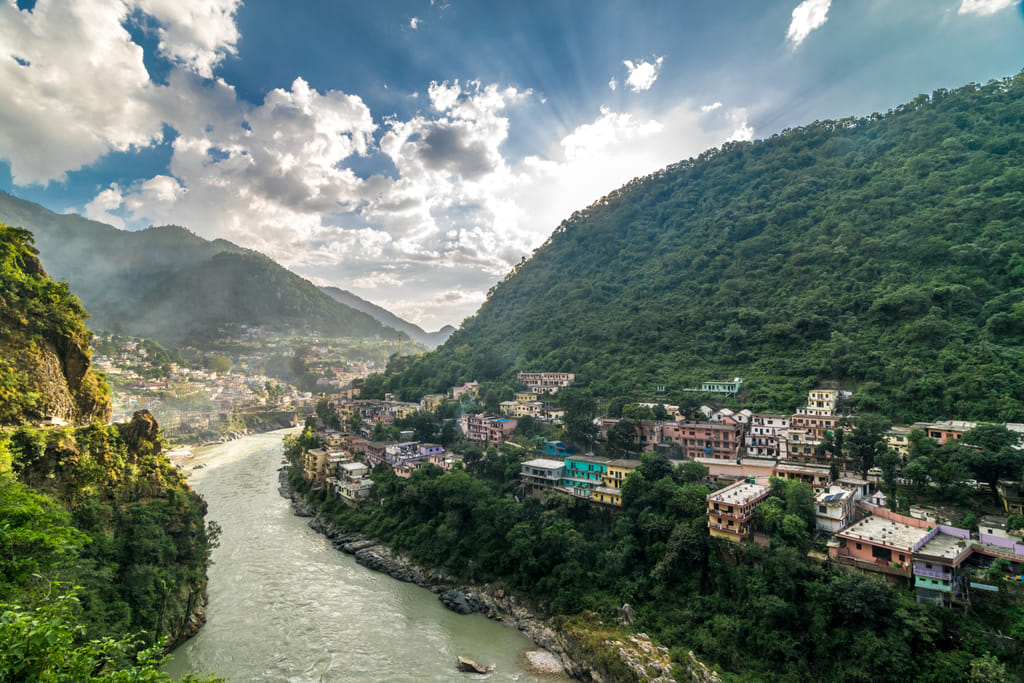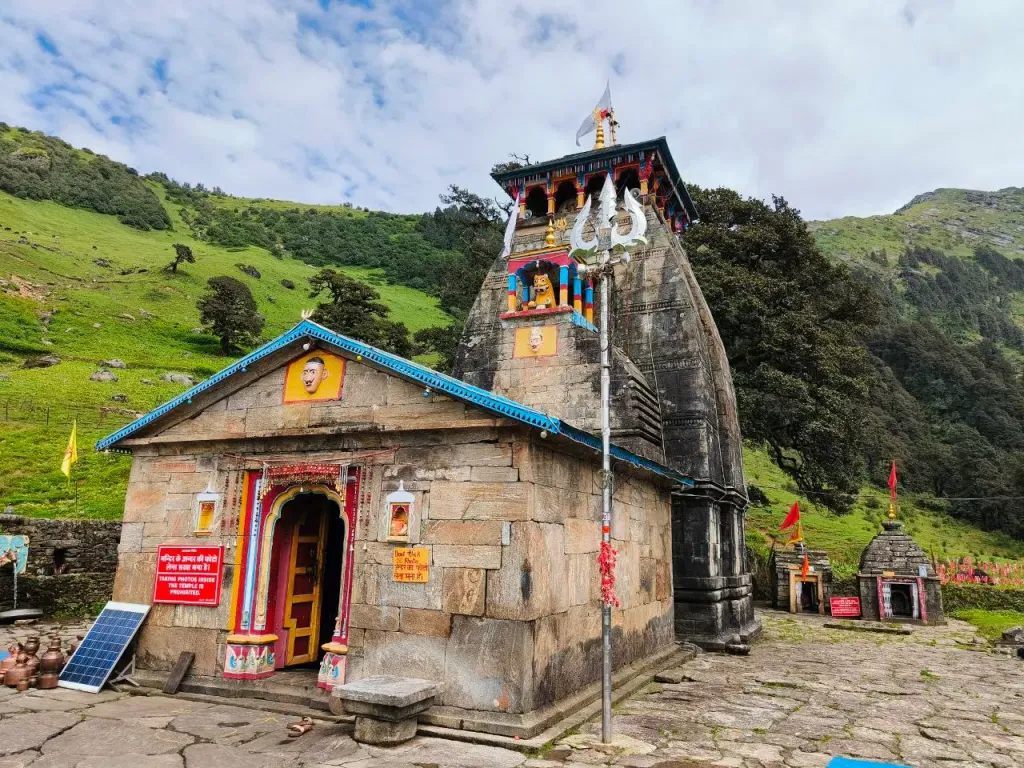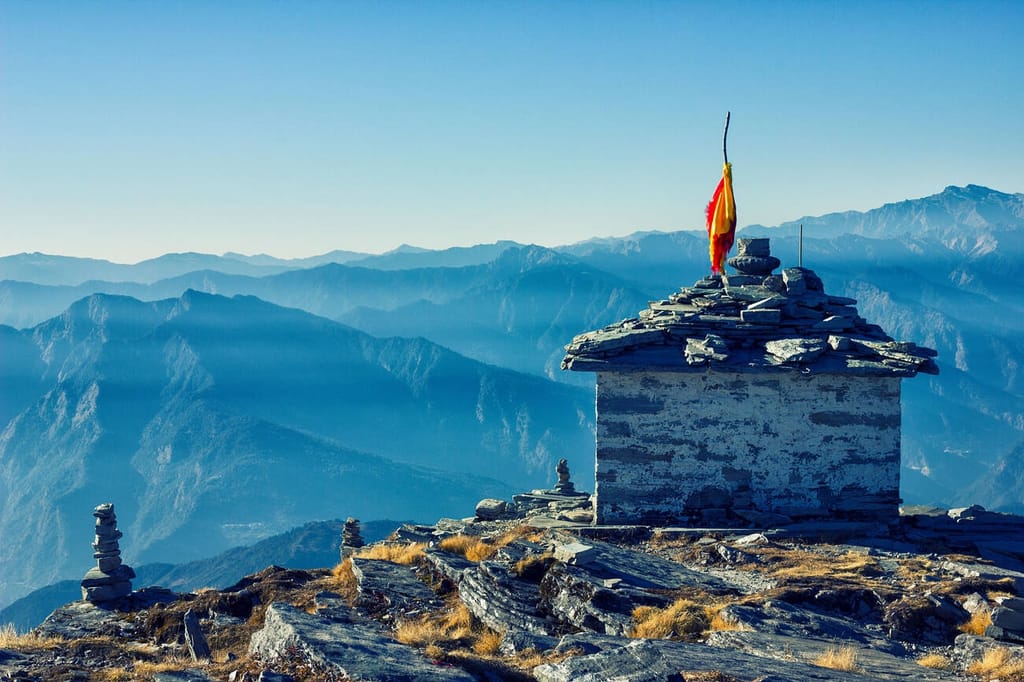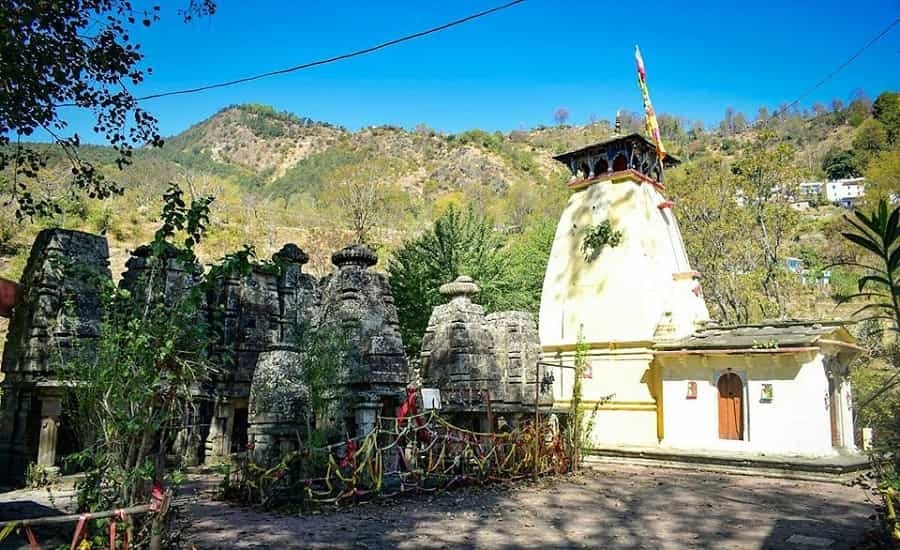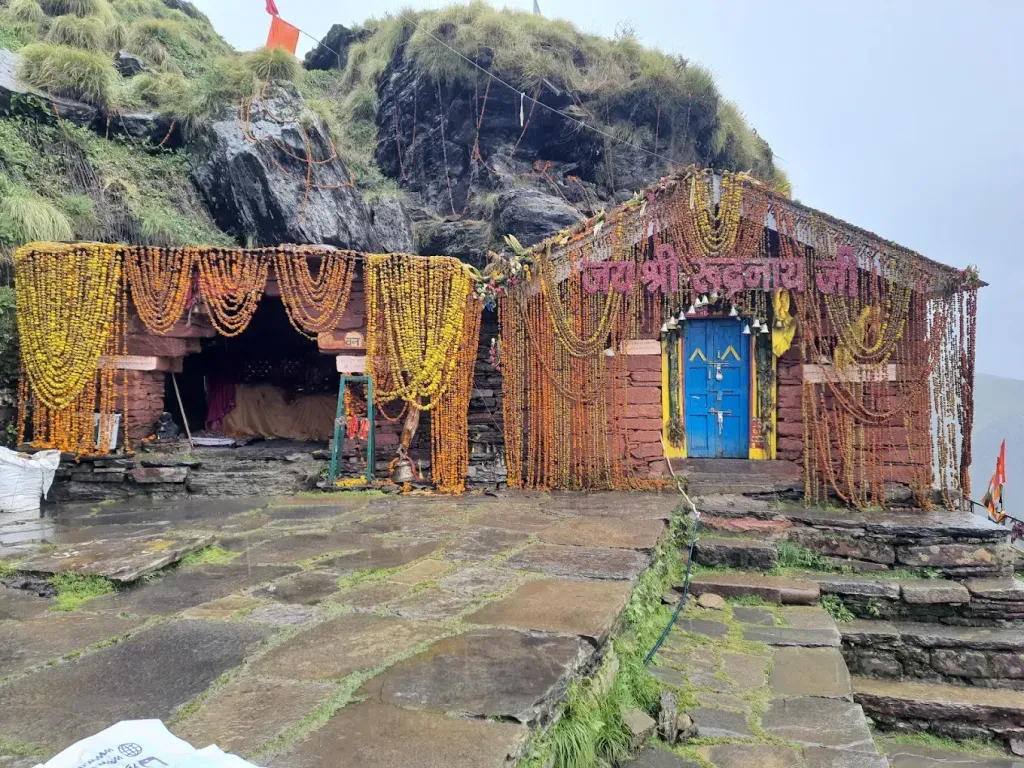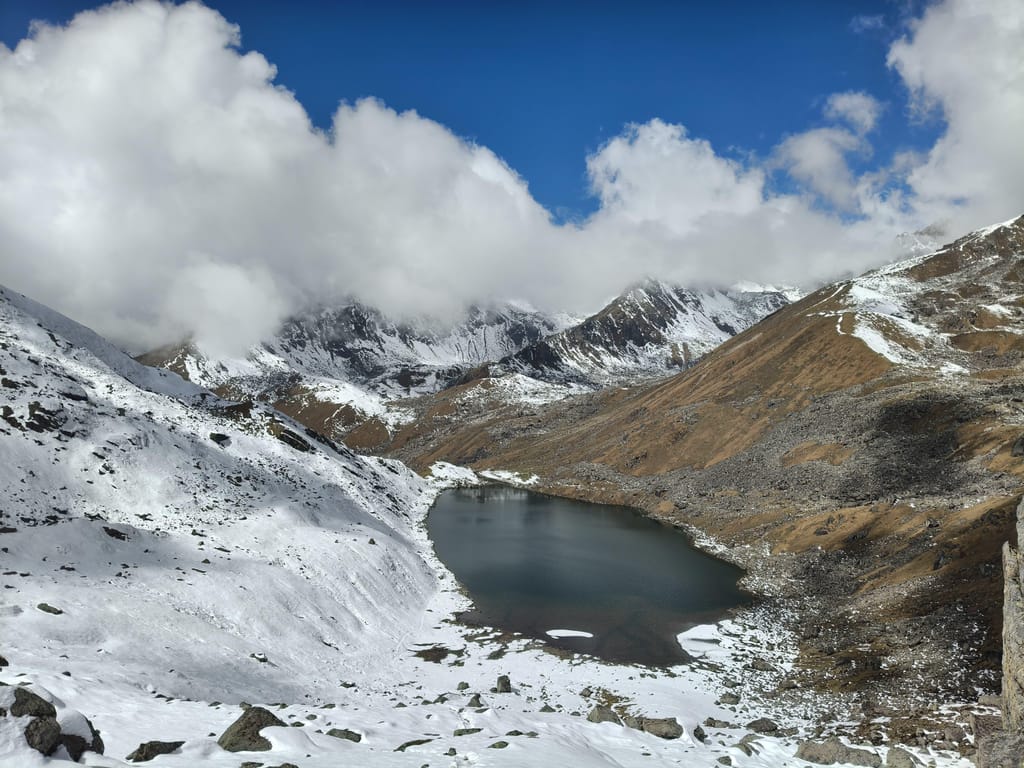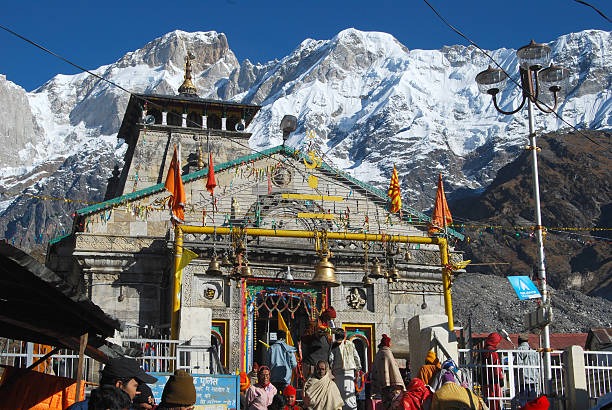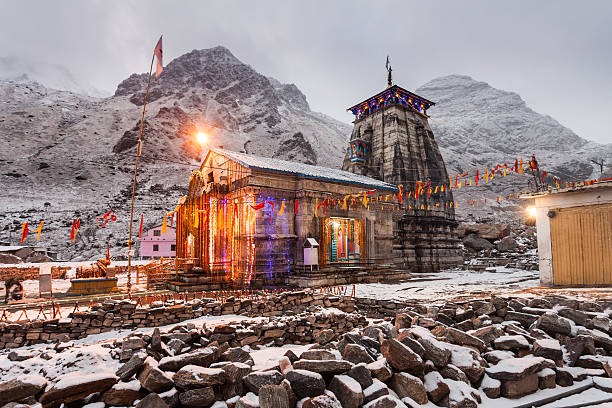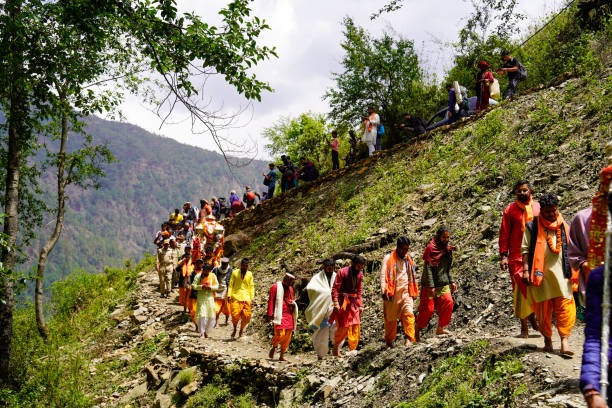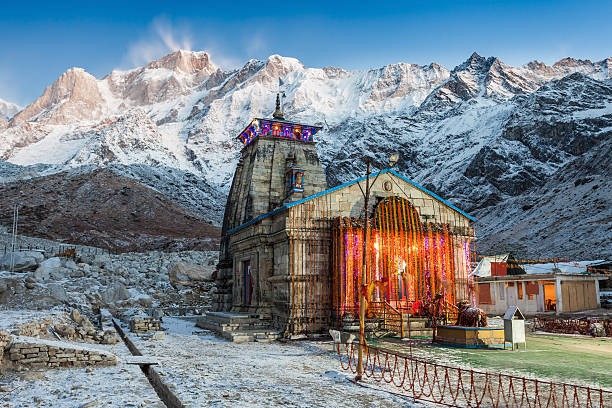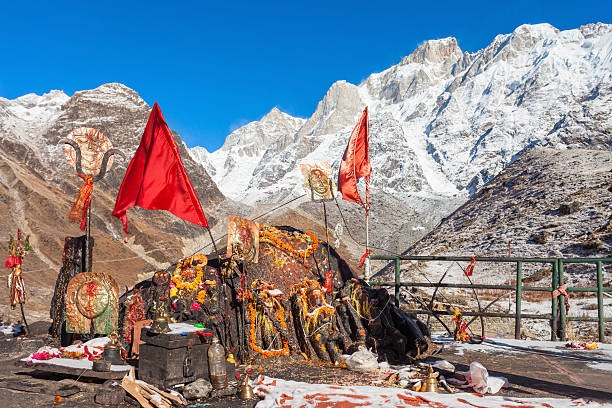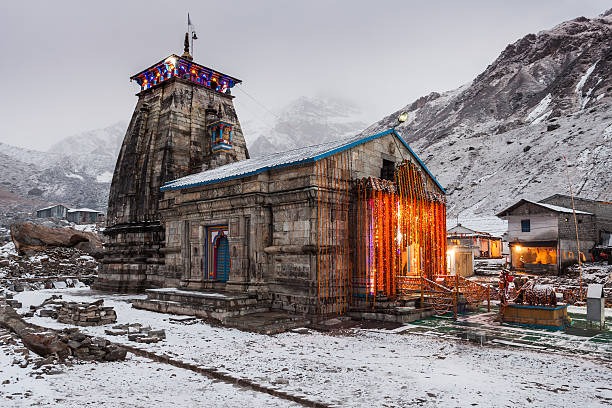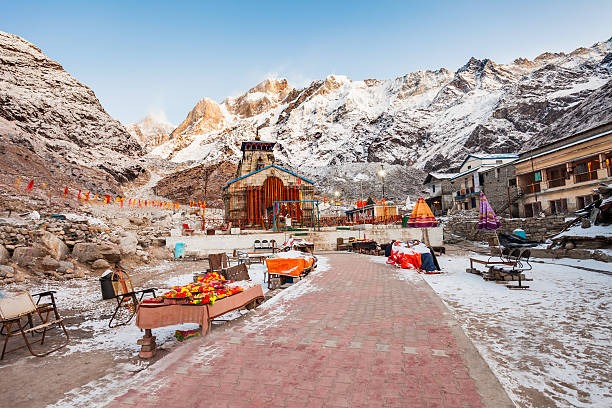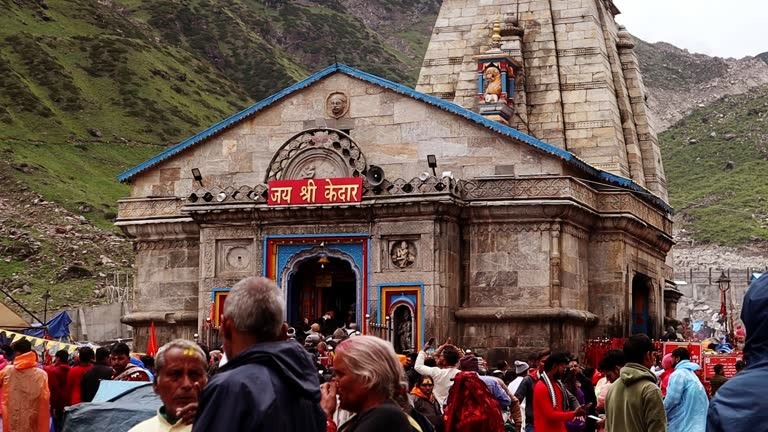
Perched at an altitude of 3,583 meters in the Garhwal Himalayas, Kedarnath Temple is one of the holiest shrines dedicated to Lord Shiva and a key part of the Char Dham Yatra. Every year, lakhs of devotees undertake this spiritual journey to seek blessings and experience the divine aura of the Himalayas.
For Kedarnath Yatra 2026, the temple doors (Kapat) are set to open on 22 April 2026 at 8:00 AM, marking the beginning of a six-month pilgrimage season. Whether you are a first-time pilgrim or a returning devotee, planning in advance is essential to ensure a safe, smooth, and fulfilling journey. Travelvichar Uttarakhand tour packages are designed to make your Kedarnath Yatra 2026 safe, seamless, and spiritually unforgettable.
This detailed guide covers everything you need—from trek details and timings to weather conditions, registration, and travel tips.
Kedarnath Yatra 2026: Quick Takeaways
- Location: Rudraprayag district, Uttarakhand
- Altitude: 3,583 meters above sea level
- Opening Date: 22 April 2026
- Closing Date: November 2026 (tentative)
- Trek Distance: 16 km from Gaurikund
- Best Time to Visit: May–June and September–October
- Nearest Airport: Jolly Grant Airport
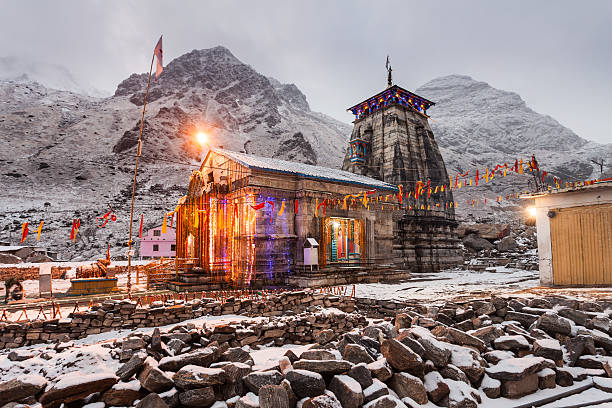
History & Mythology of Kedarnath Dham
The spiritual legacy of Kedarnath Temple is closely connected with the ancient Indian epic, the Mahabharata. According to traditional beliefs, the Pandavas sought Lord Shiva’s blessings after the Kurukshetra war to seek forgiveness for their actions. As part of their penance, they are believed to have established the temple in this remote Himalayan region.
Legend has it that Lord Shiva, unwilling to meet them immediately, transformed into a bull and tried to evade them. When discovered, he disappeared into the earth, leaving behind a part of his form at Kedarnath. This sacred site later became the location where the temple was built, and the Shiva Lingam here is considered self-manifested by natural elements.
Although the exact construction period of the temple remains uncertain, historians and scholars generally believe that the structure dates back over a thousand years. Over time, it has endured harsh weather and multiple reconstructions. One of the most significant events in recent history was the devastating 2013 Kedarnath floods, which caused widespread destruction in the region. Remarkably, the temple structure survived, reinforcing its spiritual significance for devotees.
Kedarnath is also one of the four sacred sites of the Char Dham circuit, along with Badrinath Temple, Gangotri, and Yamunotri, making it a vital pilgrimage destination in India.
Kedarnath Weather & Temperature Guide
Understanding seasonal conditions is essential before planning your journey, as the weather in Kedarnath can change rapidly due to its high altitude.
Summer (May–June) – Ideal for Yatra
This is the most preferred time for visiting Kedarnath. The temperature generally ranges between 5°C and 20°C, offering relatively comfortable conditions for trekking and temple visits. The skies remain mostly clear, and helicopter services operate smoothly. However, due to high demand, the region experiences heavy footfall, so advance booking of accommodation is strongly advised.
Monsoon (July–August) – Travel Not Recommended
During the monsoon season, the region receives significant rainfall, increasing the risk of landslides and making trekking routes slippery and unsafe. Temperatures hover around 10°C to 12°C, but travel disruptions are common, including delays or cancellations of helicopter services. It is generally advisable to avoid planning your yatra during this period.
Autumn (September–October) – Best for a Peaceful Experience
Post-monsoon months are considered one of the best times to visit Kedarnath if you prefer fewer crowds. The temperature ranges from 2°C to 15°C, and the weather remains stable with clear skies and excellent visibility of the surrounding Himalayan peaks. This period offers a more शांत and spiritually enriching experience.
Winter (November–April) – Temple Closed
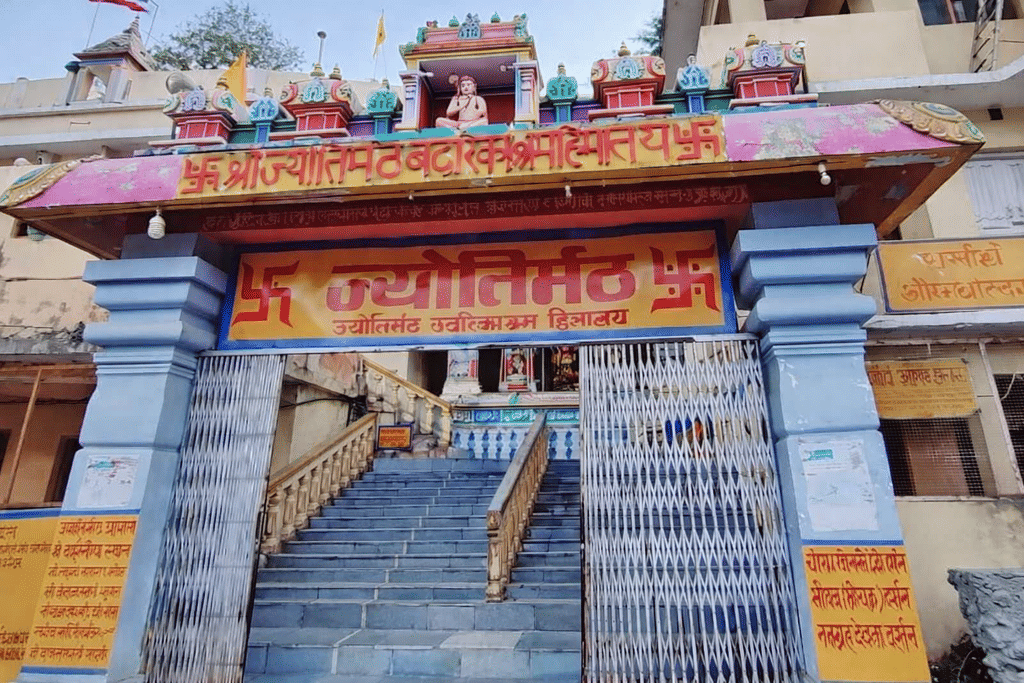
With the arrival of winter, temperatures drop drastically, often falling below -15°C. Due to heavy snowfall, the temple remains closed, and all trekking routes become inaccessible. During this time, the idol of Lord Shiva is ceremonially moved to Ukhimath, where devotees can continue their worship until the temple reopens in the next season.

Best Time to Visit Kedarnath Temple
Planning the right time for your journey to Kedarnath Temple is crucial, as the shrine remains open only for a limited period each year due to extreme weather conditions. Unlike most temples, Kedarnath does not allow year-round access because of heavy snowfall during winter.
The pilgrimage season generally begins in late April or early May and continues until June. After a brief pause during the monsoon months, the yatra resumes again from September and continues until October or early November. These two windows are considered the most suitable times to plan your visit.
Kedarnath Yatra in Summer (May–June)
The summer months mark the official start of the Kedarnath Yatra and are widely regarded as the most popular time to visit. The temple usually opens in early May, attracting thousands of devotees from across the country.
During this period, the weather is relatively comfortable, with cool temperatures, clear skies, and plenty of sunshine. These favorable conditions make trekking easier and ensure smooth darshan experiences. The scenic beauty of the surrounding Himalayas is also at its best, adding to the overall charm of the journey.
However, because this is peak season, the region witnesses a large influx of pilgrims. Accommodation, transport, and helicopter bookings tend to fill up quickly. It is therefore advisable to plan ahead and secure your reservations well in advance to avoid last-minute difficulties.

How to Reach Kedarnath Temple
Reaching Kedarnath Temple involves a combination of air, rail, and road travel, followed by a trek from the last motorable point. Since the temple is located in a remote Himalayan region, proper planning of your route is essential for a smooth journey.
Here are the main ways to reach Kedarnath:
Kedarnath by Air
The nearest airport is Jolly Grant Airport, which is well connected to major Indian cities. After landing in Dehradun, you can either continue your journey by road or opt for helicopter services.
Helicopter facilities are available from locations such as:
- Sahastradhara Helipad
- Guptkashi
- Sonprayag
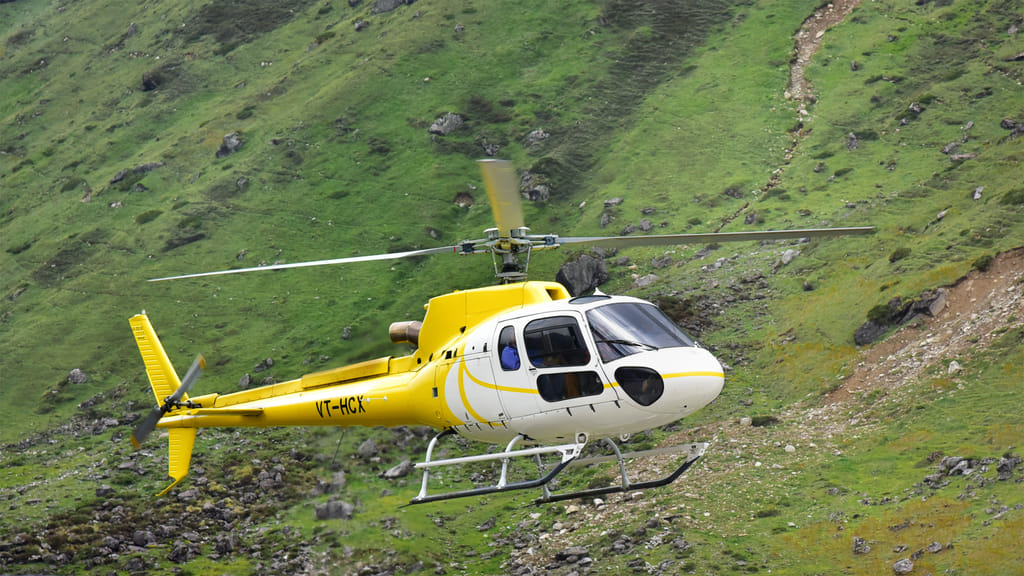
The flight duration is short, usually between 5 to 15 minutes depending on the helipad. Prices generally range from ₹6,000 to ₹10,000 for a round trip, though they may vary based on demand and booking time.
Helicopters typically drop passengers near Kedarnath, but in some cases, you may still need to cover a short distance or trek from Gaurikund. Pony and palki services are also available for those who prefer not to walk.
Kedarnath by Train
For travelers preferring rail journeys, the nearest major railway stations are:
- Haridwar Railway Station
- Dehradun Railway Station
From these stations, you can hire a taxi or take a bus to reach Gaurikund. The road journey passes through scenic mountain routes and small towns. Once you reach Gaurikund, the remaining 16 km distance to the temple must be covered on foot or by using pony/palki services.
Kedarnath by Road
Traveling by road is one of the most scenic ways to reach Kedarnath. You can either drive your own vehicle or hire a taxi from nearby cities like Haridwar, Rishikesh, or Dehradun.
The road journey takes you through beautiful valleys, rivers, and mountain landscapes, making it a memorable part of the trip. The final point accessible by road is Gaurikund, from where the trek to Kedarnath begins.
Accommodation Options Near Kedarnath Temple
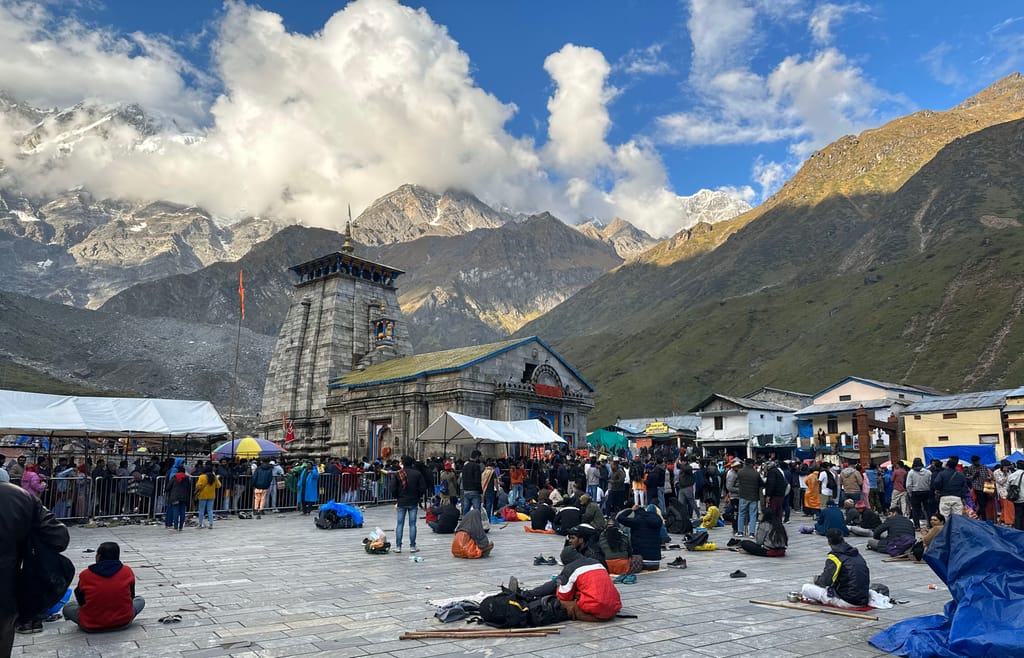
Once you’ve decided to begin your spiritual journey to Kedarnath Temple, arranging a comfortable place to stay becomes an essential part of your planning. Due to the temple’s high-altitude location and limited infrastructure, accommodation options are fewer and tend to get fully booked quickly during the pilgrimage season. Planning ahead can help you avoid unnecessary stress during your yatra.
Here’s a detailed look at the types of accommodation available near Kedarnath:
1. GMVN Guest Houses (Government-Run Stays)
One of the most dependable options is provided by Garhwal Mandal Vikas Nigam (GMVN). These government-operated guest houses are known for offering clean, safe, and basic facilities suited for pilgrims.
They typically include:
- Neat and hygienic rooms
- Essential amenities like bedding and meals
- A structured and secure environment
GMVN properties are especially recommended for families and elderly travelers. Since they are in high demand, it is best to reserve your stay online well in advance through the official portal.
2. Private Tents (Affordable & Flexible Option)
For those traveling on a budget or seeking a simple stay, private tents are available in and around Kedarnath. These accommodations usually offer:
- Basic sleeping arrangements
- Shared facilities
- Minimal comforts due to terrain limitations
While tents can be a good option for solo travelers or groups, they may not be ideal for senior citizens or those looking for more comfort. Availability is often on arrival, but during peak season, even tents can fill up quickly.
3. Homestays (Local & Cultural Experience)
Homestays are another great option, especially in nearby areas like Gaurikund and Guptkashi. Local residents open their homes to pilgrims, offering a warm and welcoming environment.
Benefits of choosing a homestay include:
- Home-cooked meals
- Personalized hospitality
- Opportunity to experience local traditions and lifestyle
This option is perfect for travelers who prefer a more authentic and peaceful stay.
4. Dharamshalas (Budget-Friendly Stay)
Dharamshalas are simple accommodations run by trusts or charitable organizations, designed specifically for pilgrims. They are one of the most economical options available.
Features include:
- Basic rooms or shared spaces
- Very low charges
- A spiritually focused atmosphere
Although the facilities are minimal, they serve the purpose well for those prioritizing devotion over luxury.
Important Booking Tips
Accommodation near Kedarnath is limited and highly seasonal, so proper planning is crucial. Keep these points in mind:
-
Book early: Reserve your stay at least 4–6 weeks before your travel date, especially during peak months.
-
Avoid last-minute arrangements: Availability becomes uncertain during high season.
-
Consider nearby locations: If you don’t find options near the temple, look for stays in Guptkashi or Sonprayag.
-
Compare comfort vs budget: Choose based on your needs—comfort (GMVN), budget (tents/dharamshalas), or experience (homestays).
-
Opt for tour packages: Booking a complete Kedarnath tour package can simplify everything, including accommodation, transport, and permits.